


7 min
Why is Lord Krishna Blue? The Scientific and Cosmic Mystery
Is Lord Krishna's blue skin a myth caused by poison, or a deep scientific metaphor for the infinite universe? Unveil the cosmic truth behind the color of the divine.
VVedic Wisdom

Explore timeless wisdom, divine stories, and practical insights to enrich your spiritual journey.
Is Lord Krishna's blue skin a myth caused by poison, or a deep scientific metaphor for the infinite universe? Unveil the cosmic truth behind the color of the divine.
VVedic Wisdom

Why does CERN, the world's leading particle physics laboratory, proudly display a statue of dancing Lord Shiva? Discover the incredible link between Nataraja and Quantum Mechanics.
VVedic Wisdom
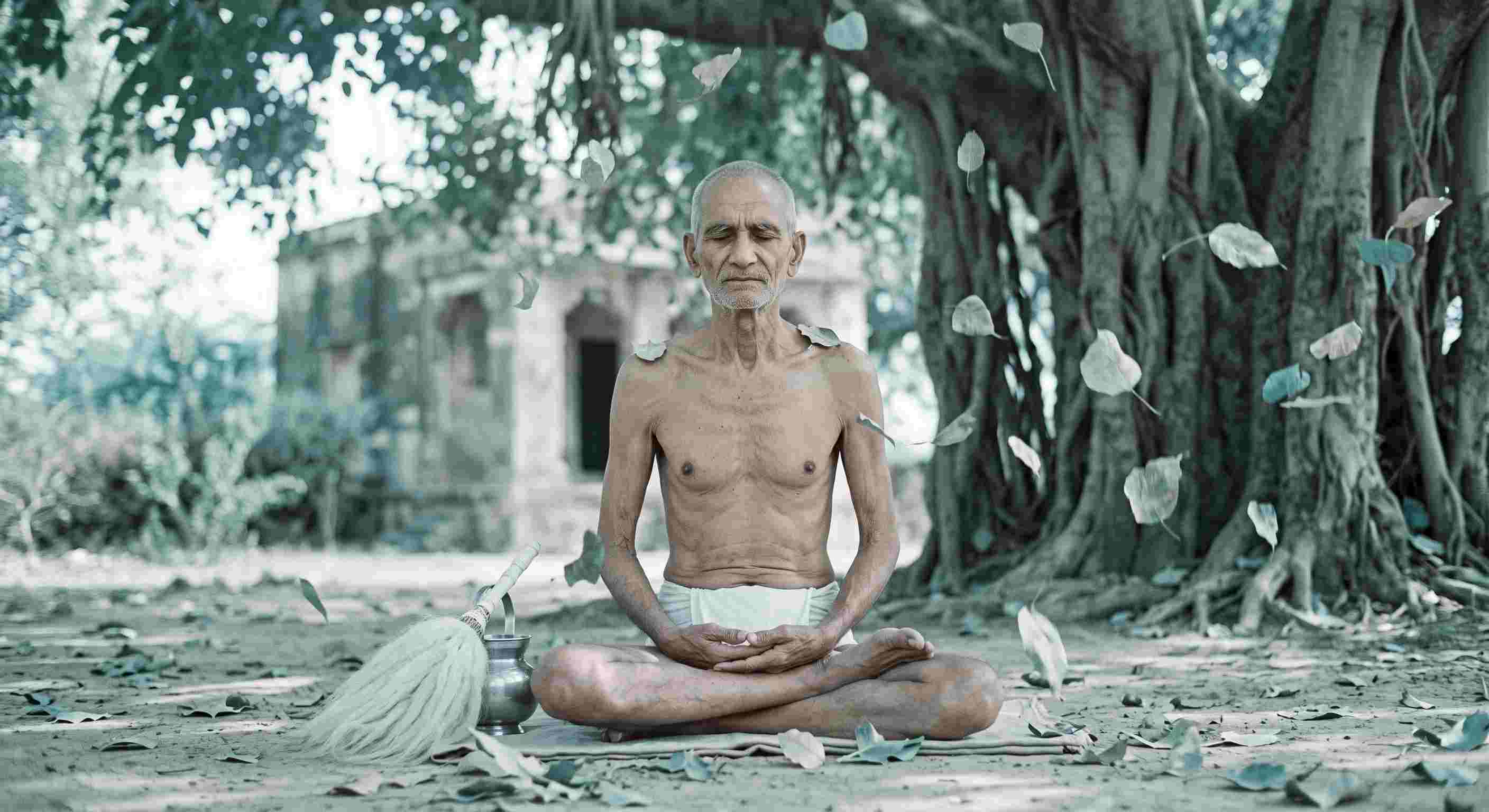
Dive into the deep spiritual logic behind Sallekhana (Santhara). Learn why this Jain vow of fasting to death is a conscious shedding of karma, not an act of suicide.
VVedic Wisdom
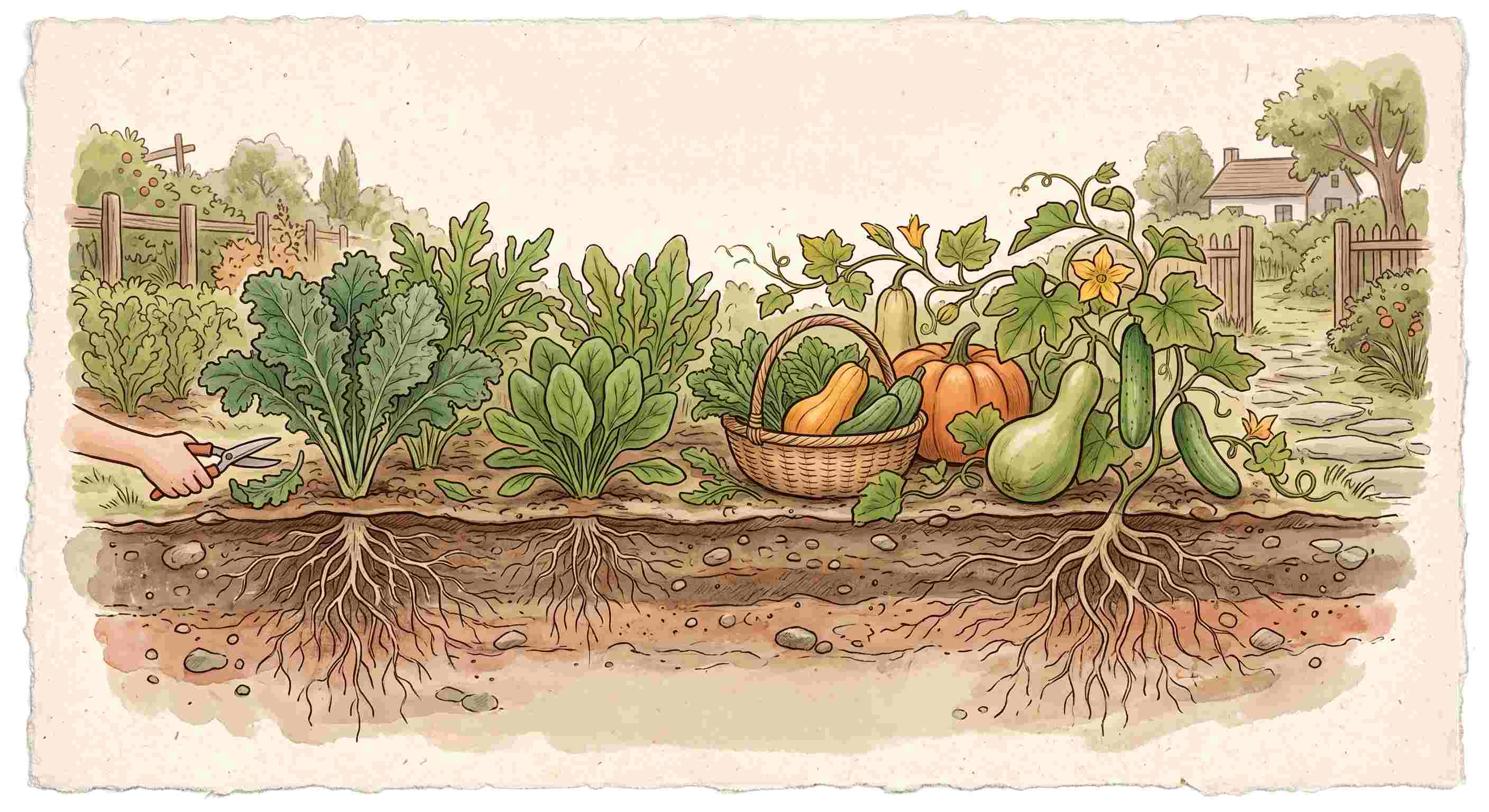
Unravel the logic behind the strict Jain diet. Learn why avoiding root vegetables like potatoes and onions is a profound exercise in protecting microscopic life and practicing Ahimsa.
VVedic Wisdom
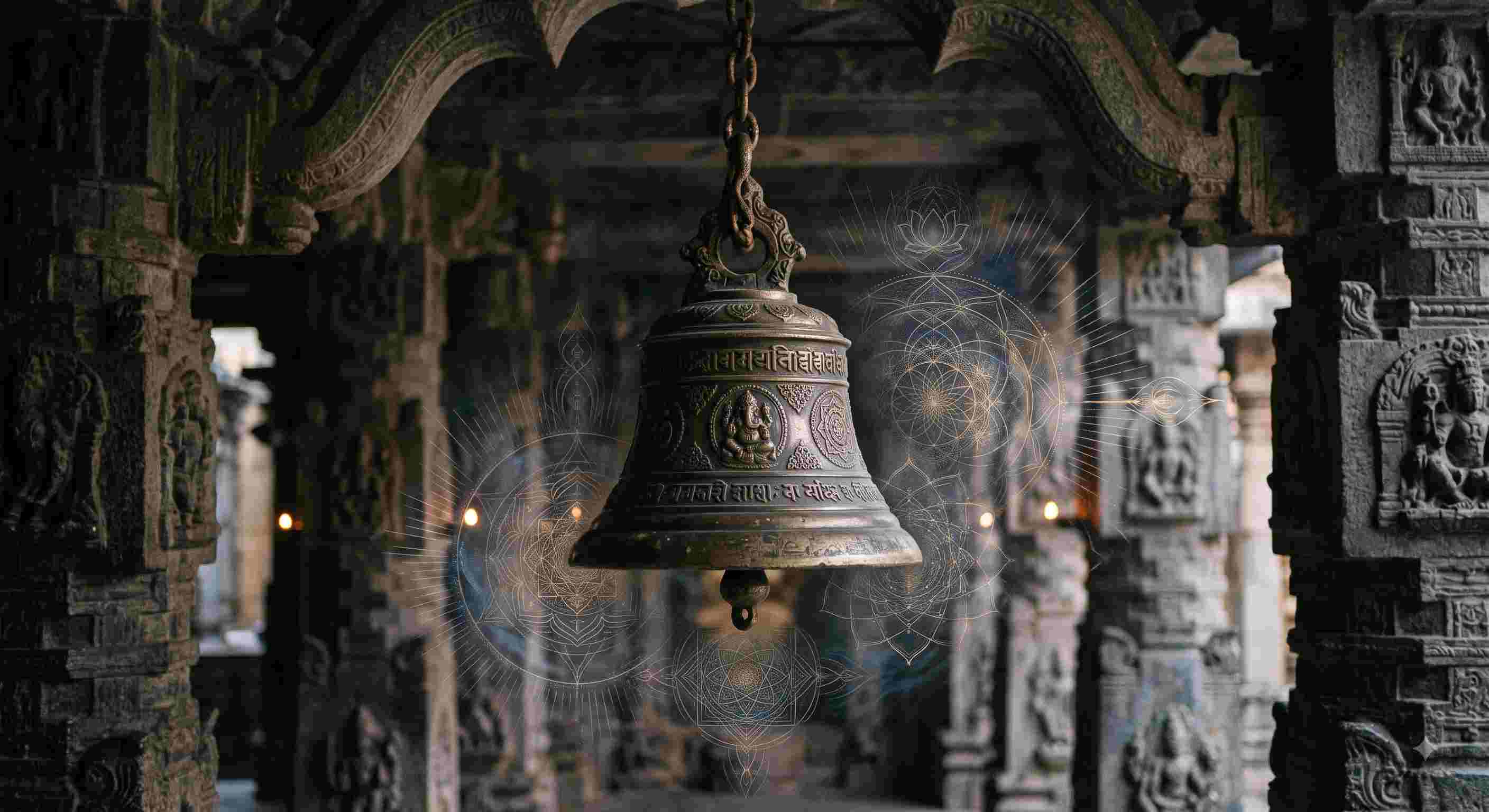
Discover the fascinating neuroscience, acoustic metallurgy, and spiritual symbolism behind why ringing a bell before entering a Hindu temple instantly calms your mind.
VVedic Wisdom

Understand the profound biological and symbolic reasons in Hinduism that explain why women do not physically break coconuts during religious ceremonies.
VVedic Wisdom

Discover the timeless philosophy, detailed explanations of all 10 Dharmas, daily sadhana rituals, and profound psychological benefits of Jain Das Lakshan Parv.
JJain Philosophy Research Desk

Unravel the intense devotion of Goddess Parvati on Hartalika Teej.
BBhakti Voice

Connect the ancient mythology of Ganesha with the practical psychology of everyday life.
BBhakti Voice
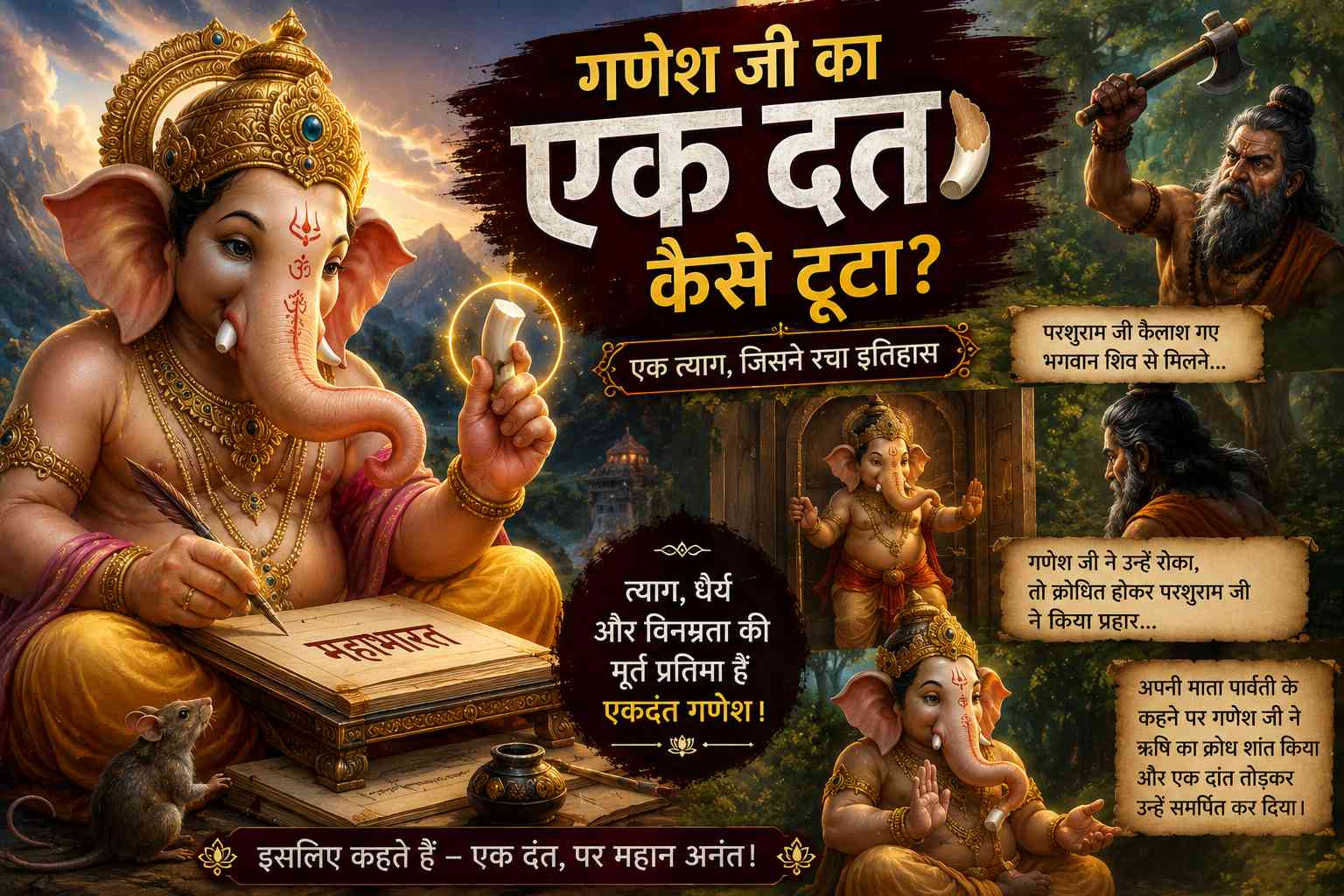
Explore the fascinating mythological stories behind why Lord Ganesha's tusk broke, earning Him the revered name Ekdant.
BBhakti Voice Editorial Team
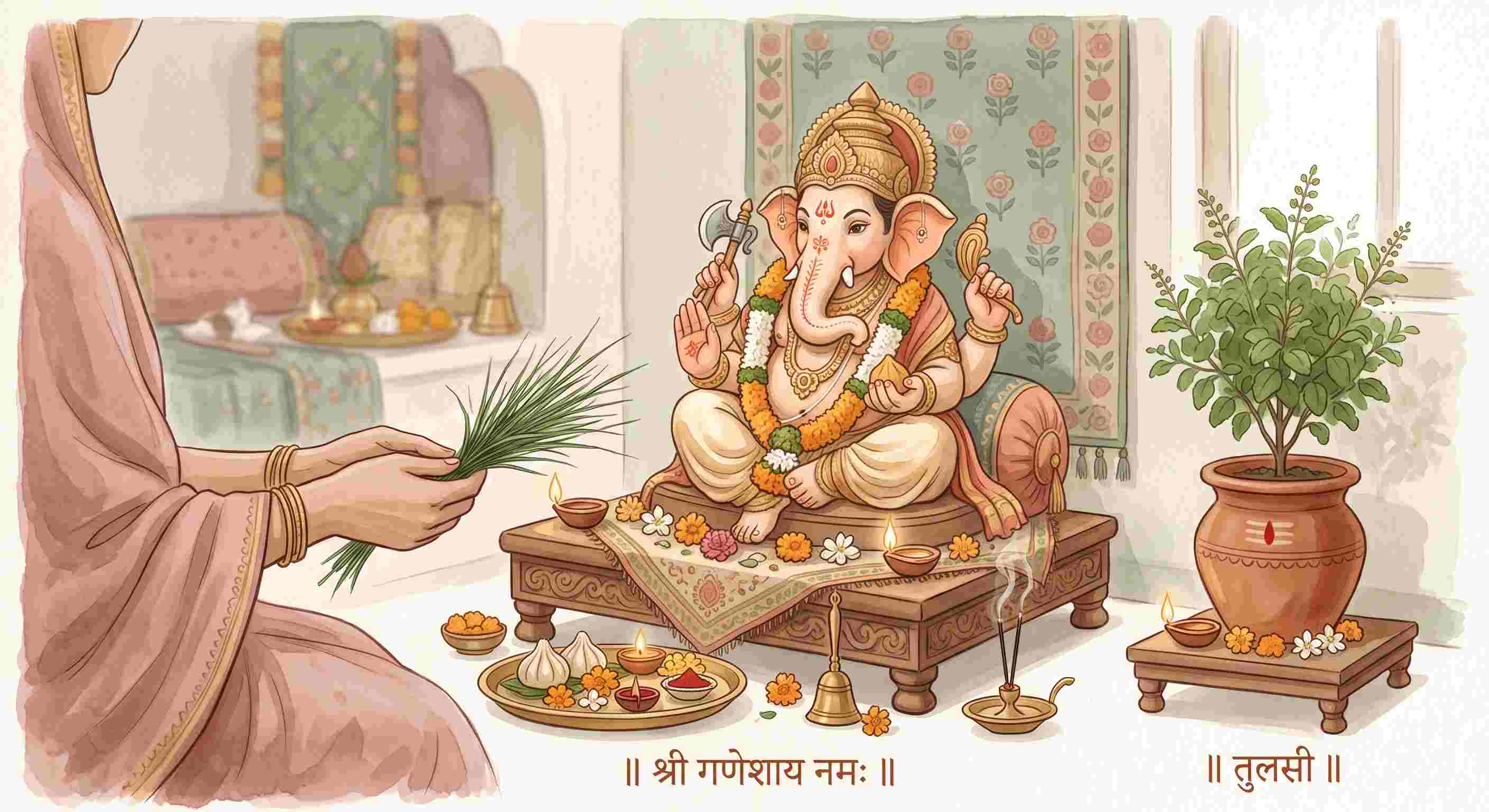
Discover the captivating mythological story of a mutual curse from the Brahmavaivarta Purana that explains why the sacred Tulsi is never offered to Lord Ganesha.
VVedic Wisdom
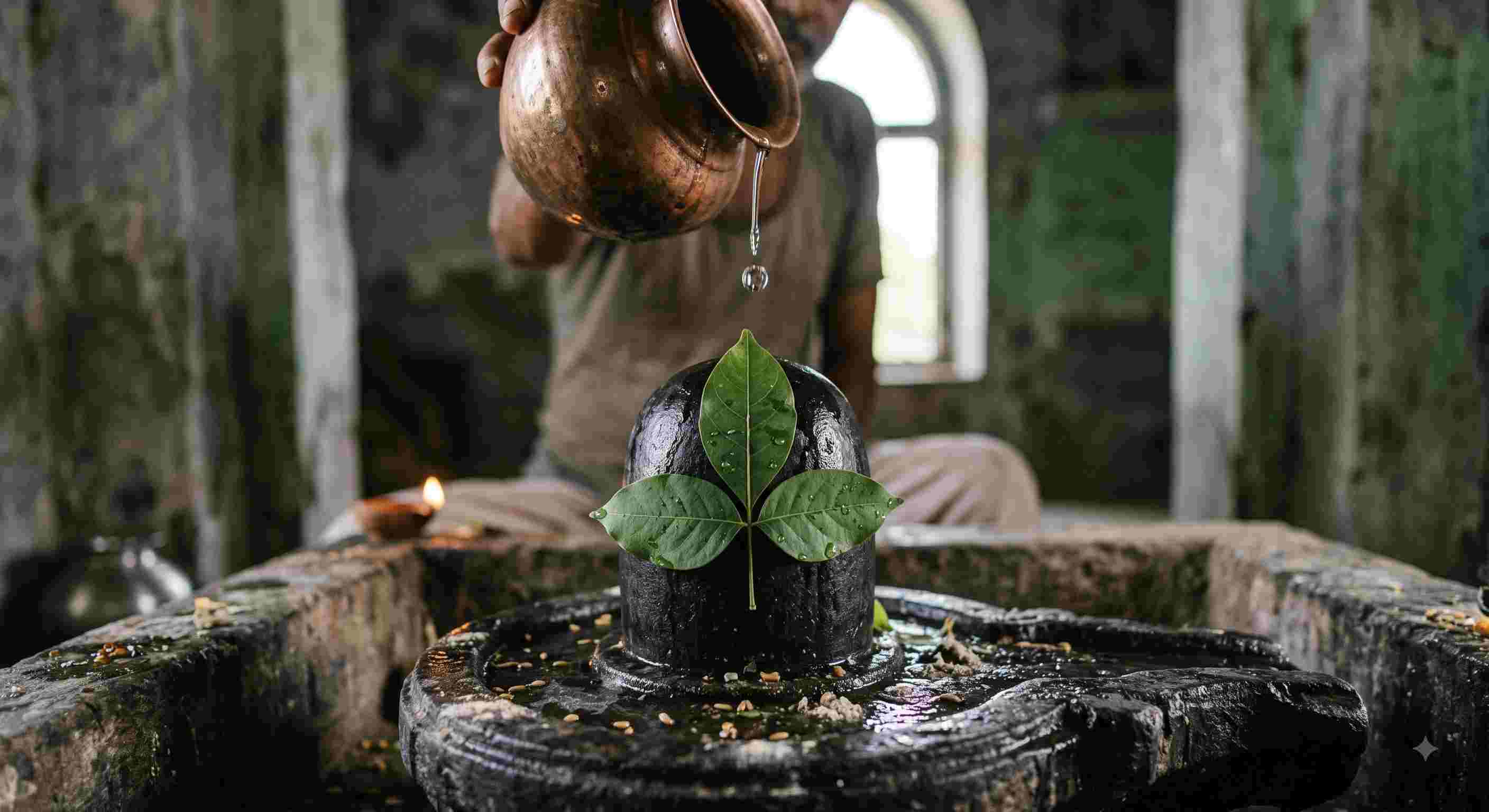
Learn the exact scriptural rules for plucking and offering Belpatra on a Shivling. Maximize the spiritual benefits of your Shiva Puja with the correct mantras and methods.
VVedic Wisdom
Written with care — no invented temple clocks.
Ancient knowledge for a householder's day.
Sit with seekers who also return to the beads.
New guides for yatra, jaap, and daily sadhana.
The Bhakti blog is a journal for devotees and householders: yatra notes, mantra meaning, festival sense, and daily practice written without hurry. It is not a news feed and not a temple notice board. Essays here are meant to be read slowly, then carried into naam jaap or a short walk. We do not invent darshan timings. Before you travel, confirm aarti and opening hours locally. If a guide mentions a place, treat it as orientation, not a ticket. The bhakti blog exists so searching for a naam or a dham lands you in a quiet room, not a shouting page.
Open one article. Read the introduction. Keep whatever line stays. Then sit — eleven names or a mala — so the blog does not become another tab you finish. Tags for yatra, mantras, and daily sadhana are doors, not a syllabus. Save a post if you are signed in; return when the week allows. Bhakti Voice would rather you finish a small sitting than finish the archive. The bhakti blog is a companion to practice, not a replacement for it.
No. A blog can explain naam jaap, ekadashi as a householder might keep it, or how to think about a yatra day. It cannot give diksha, cannot see your health, and cannot speak for a mandir. Lunar dates move. Confirm tithi on Aaj Ki Tithi, then confirm local custom. We write original copy for devotees; we do not paste other sites. Where a page embeds a video, we do not own that film. Use the bhakti blog as a lamp, not as a master.
All three, in ordinary language. Some essays walk a pilgrim through a dham without pretending we stood at the gate this morning. Some sit with a mantra so pronunciation and mood are clear before you open the jaap counter. Some speak to daily sadhana: sankalp, diary, aarti, bhajan and kirtan. Browse from this listing, or search if you already know the naam. Related links at the end of an article are invitations, not a funnel.
Yes. That is one reason the tone stays human. Send a single essay, not the whole archive. If they are new, pair the reading with the naam jaap counter so the idea has a sitting. Hindi pages exist for the same guides when a translation is published. Do not treat our words as scripture. They are a householder’s notes on the path — yatra, mantras, daily practice — written so a family can begin without fear of doing it wrong.