

8 min
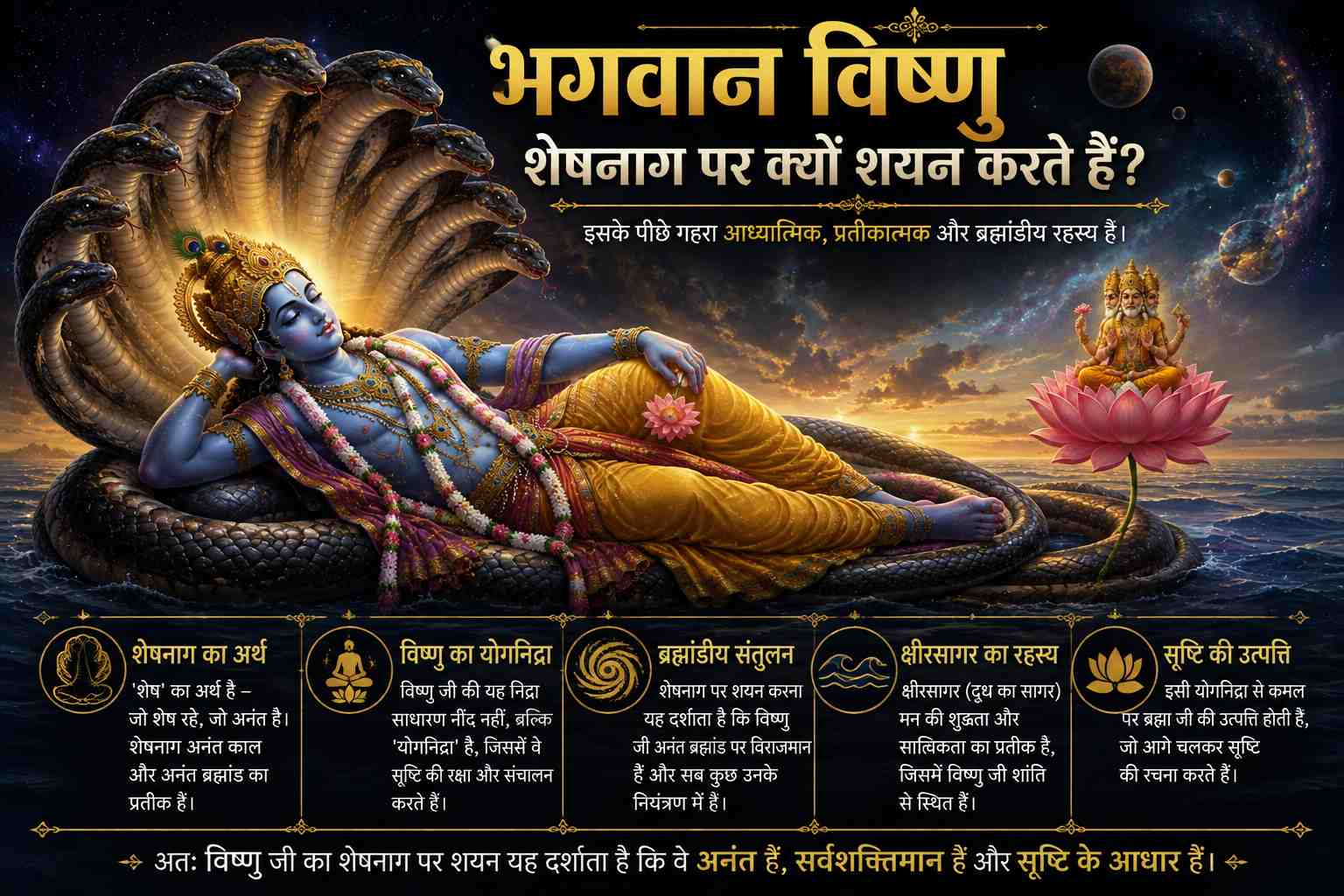
Why Does Lord Vishnu Sleep on Sheshnag? Cosmic Symbolism
Unravel the cosmic mystery of Lord Vishnu resting on Ananta Shesha.
BBhakti Voice

Explore timeless wisdom, divine stories, and practical insights to enrich your spiritual journey.

Discover the profound lesson behind Goddess Lakshmi's lotus seat.
Spiritual Insights
Updated 2026-08-28
Unravel the cosmic mystery of Lord Vishnu resting on Ananta Shesha.
BBhakti Voice

Discover how Lord Krishna humbled Indra's pride and protected Vrindavan.
SSpiritual Insights

Discover the legendary tale of Lord Shiva, Goddess Parvati, and the profound wisdom symbolized by Ganesha's elephant head.
BBhakti Voice

Unravel the beautiful metaphor of Lord Krishna's flute, representing a heart emptied of ego.
BBhakti Voice

Discover the story behind Mother Sita's blessing that made Lord Hanuman a Chiranjeevi.
SSpiritual Insights

Learn why Lord Shiva wears the serpent Vasuki, discovering the deep yogic connection.
SSpiritual Insights

Explore the fascinating mythological and philosophical reasons behind why Lord Shiva is universally revered as Mahadev.
BBhakti Voice
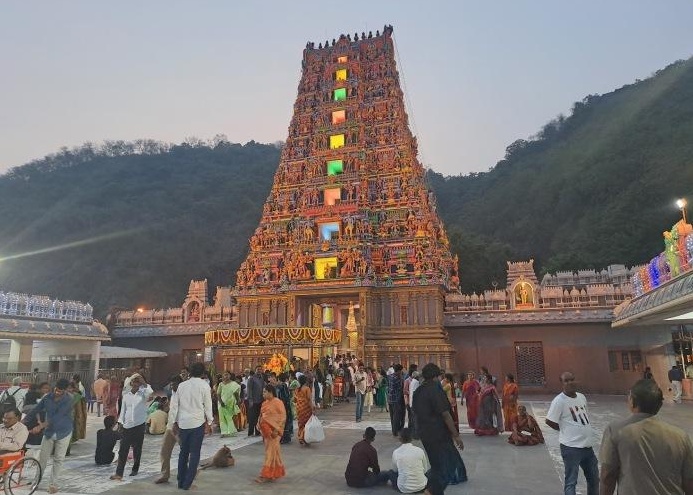
A complete 2026 guide to Sri Kanaka Durga Temple Vijayawada. Discover timings, Dasara Navratri details, online ticket bookings, and mythological history.
SSpiritual Yatra
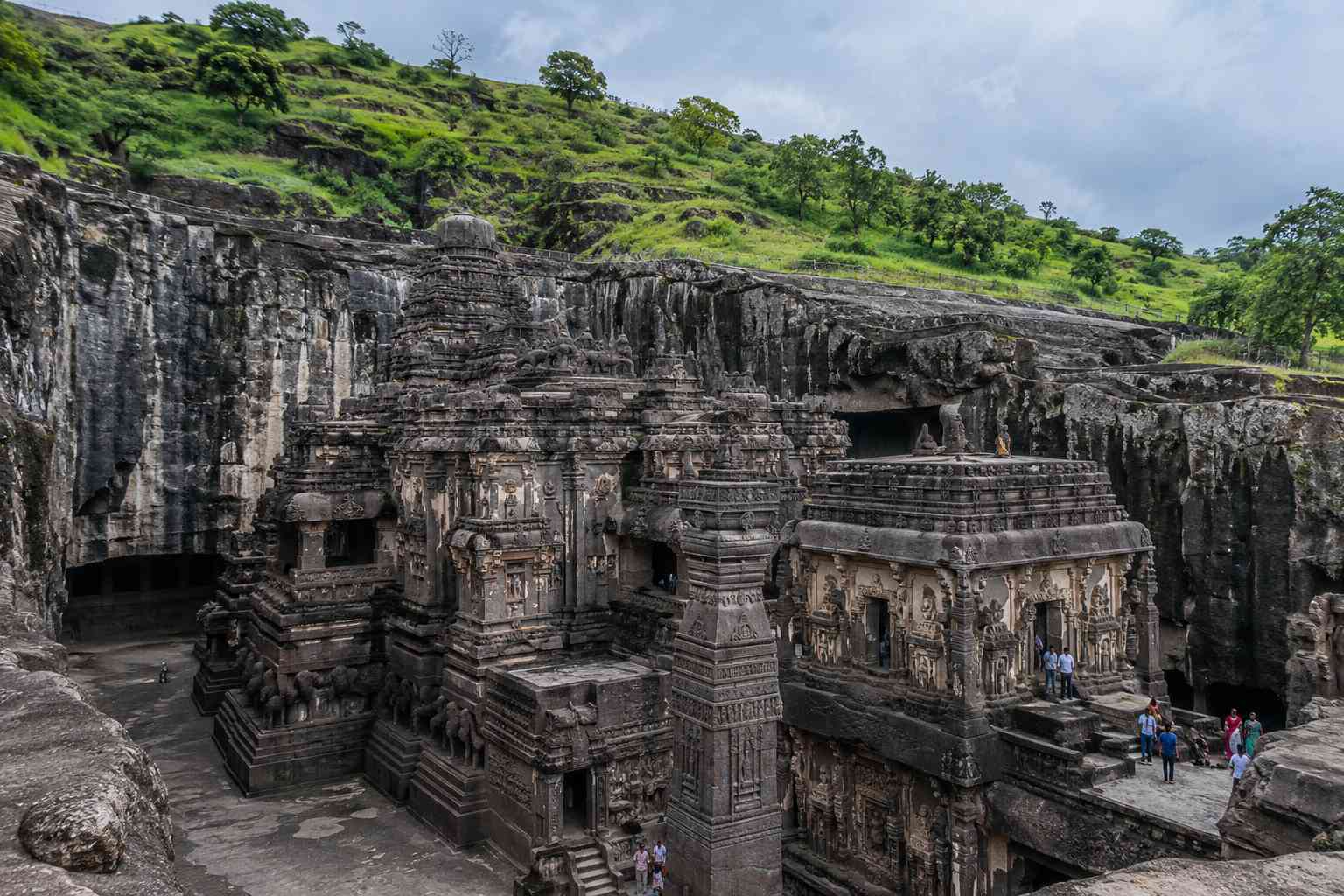
Everything you need to know about Ekashm Kailash Mandir visiting hours, tickets, rules, and essential travel tips.
HHeritage Explorer

A deep dive into the mystical world of Neem Karoli Baba. Discover mind-bending miracles, the Silicon Valley connection, and a complete travel guide to Kainchi Dham.
SSpiritual Seekers Editorial

Unveil the mystery of a temple carved top-down from a single rock. Explore the ultimate history of Ekashm Kailash Mandir.
HHeritage Explorer
Written with care — no invented temple clocks.
Ancient knowledge for a householder's day.
Sit with seekers who also return to the beads.
New guides for yatra, jaap, and daily sadhana.
The Bhakti blog is a journal for devotees and householders: yatra notes, mantra meaning, festival sense, and daily practice written without hurry. It is not a news feed and not a temple notice board. Essays here are meant to be read slowly, then carried into naam jaap or a short walk. We do not invent darshan timings. Before you travel, confirm aarti and opening hours locally. If a guide mentions a place, treat it as orientation, not a ticket. The bhakti blog exists so searching for a naam or a dham lands you in a quiet room, not a shouting page.
Open one article. Read the introduction. Keep whatever line stays. Then sit — eleven names or a mala — so the blog does not become another tab you finish. Tags for yatra, mantras, and daily sadhana are doors, not a syllabus. Save a post if you are signed in; return when the week allows. Bhakti Voice would rather you finish a small sitting than finish the archive. The bhakti blog is a companion to practice, not a replacement for it.
No. A blog can explain naam jaap, ekadashi as a householder might keep it, or how to think about a yatra day. It cannot give diksha, cannot see your health, and cannot speak for a mandir. Lunar dates move. Confirm tithi on Aaj Ki Tithi, then confirm local custom. We write original copy for devotees; we do not paste other sites. Where a page embeds a video, we do not own that film. Use the bhakti blog as a lamp, not as a master.
All three, in ordinary language. Some essays walk a pilgrim through a dham without pretending we stood at the gate this morning. Some sit with a mantra so pronunciation and mood are clear before you open the jaap counter. Some speak to daily sadhana: sankalp, diary, aarti, bhajan and kirtan. Browse from this listing, or search if you already know the naam. Related links at the end of an article are invitations, not a funnel.
Yes. That is one reason the tone stays human. Send a single essay, not the whole archive. If they are new, pair the reading with the naam jaap counter so the idea has a sitting. Hindi pages exist for the same guides when a translation is published. Do not treat our words as scripture. They are a householder’s notes on the path — yatra, mantras, daily practice — written so a family can begin without fear of doing it wrong.