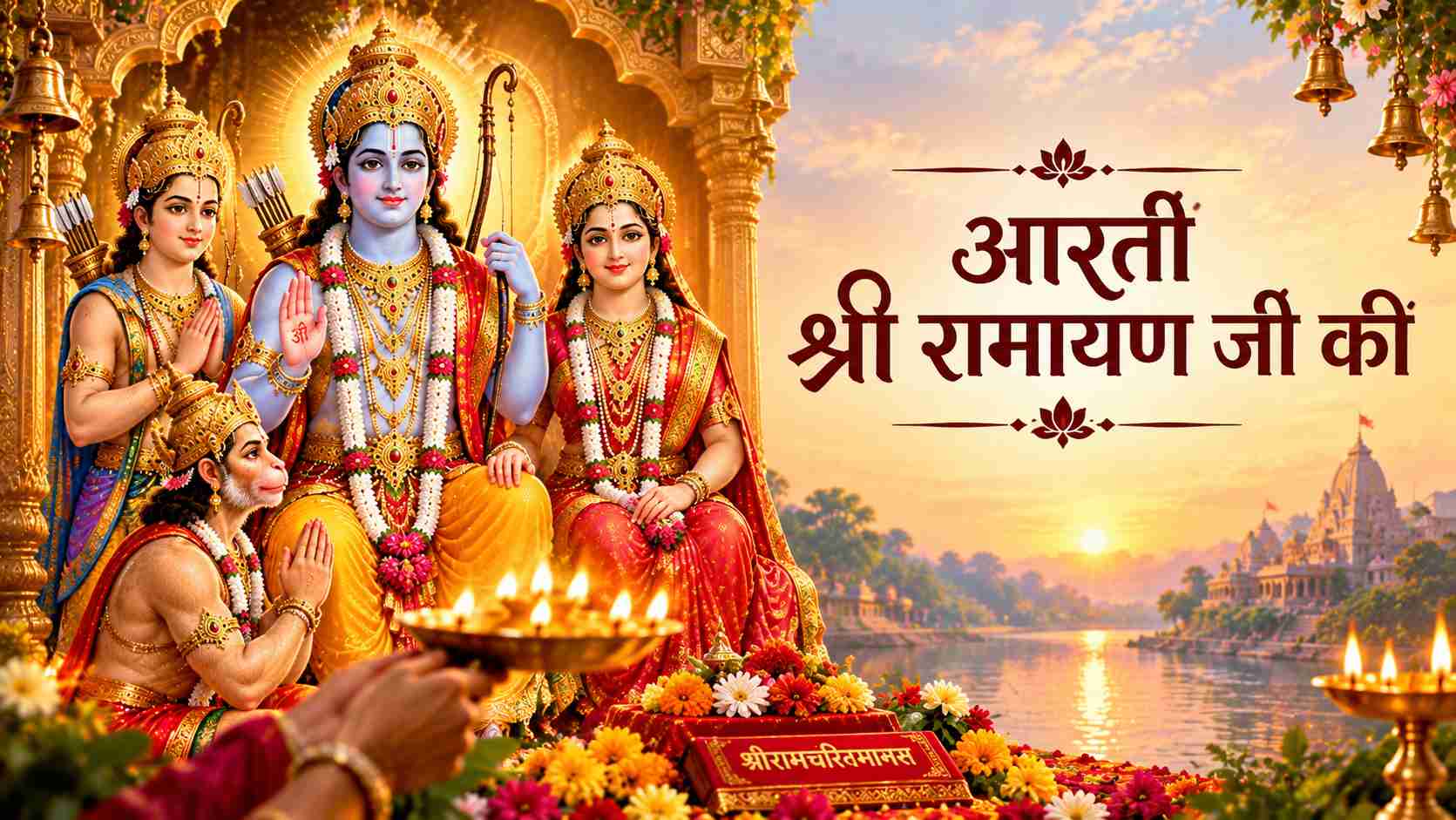
Aarti Shri Ramayan Ji Ki is the traditional benedictory hymn sung to revere the holy scripture Shri Ramcharitmanas. Chanted upon concluding Akhand Ramayan, Sundarkand, or daily scriptural study, it honors sacred literature as the living literary embodiment of dharma and Lord Rama's virtues.

Aarti Kije Hanuman Lala Ki is a deeply revered devotional prayer dedicated to Lord Hanuman, the quintessential symbol of selfless service, boundless strength, and pure devotion to Lord Rama. Recited particularly on Tuesdays and Saturdays, this hymn dispels distress and fear.
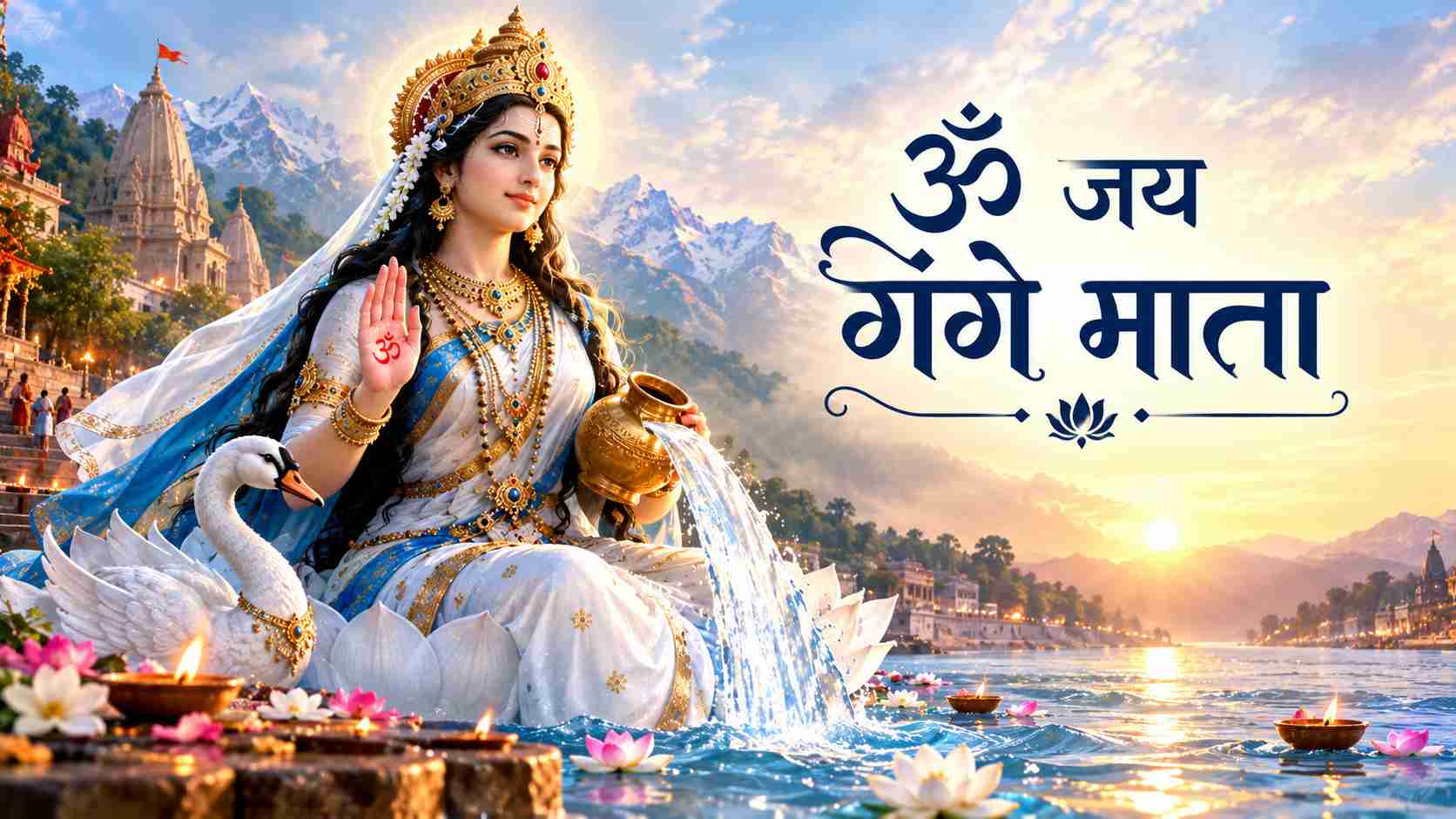
Om Jai Gange Mata is a sacred prayer chanted along the revered ghats of Haridwar, Rishikesh, and Varanasi. Revering River Ganga as a compassionate cosmic mother flowing from Lord Shiva's locks, this hymn honors her purity, maternal grace, and capacity to wash away spiritual burdens.
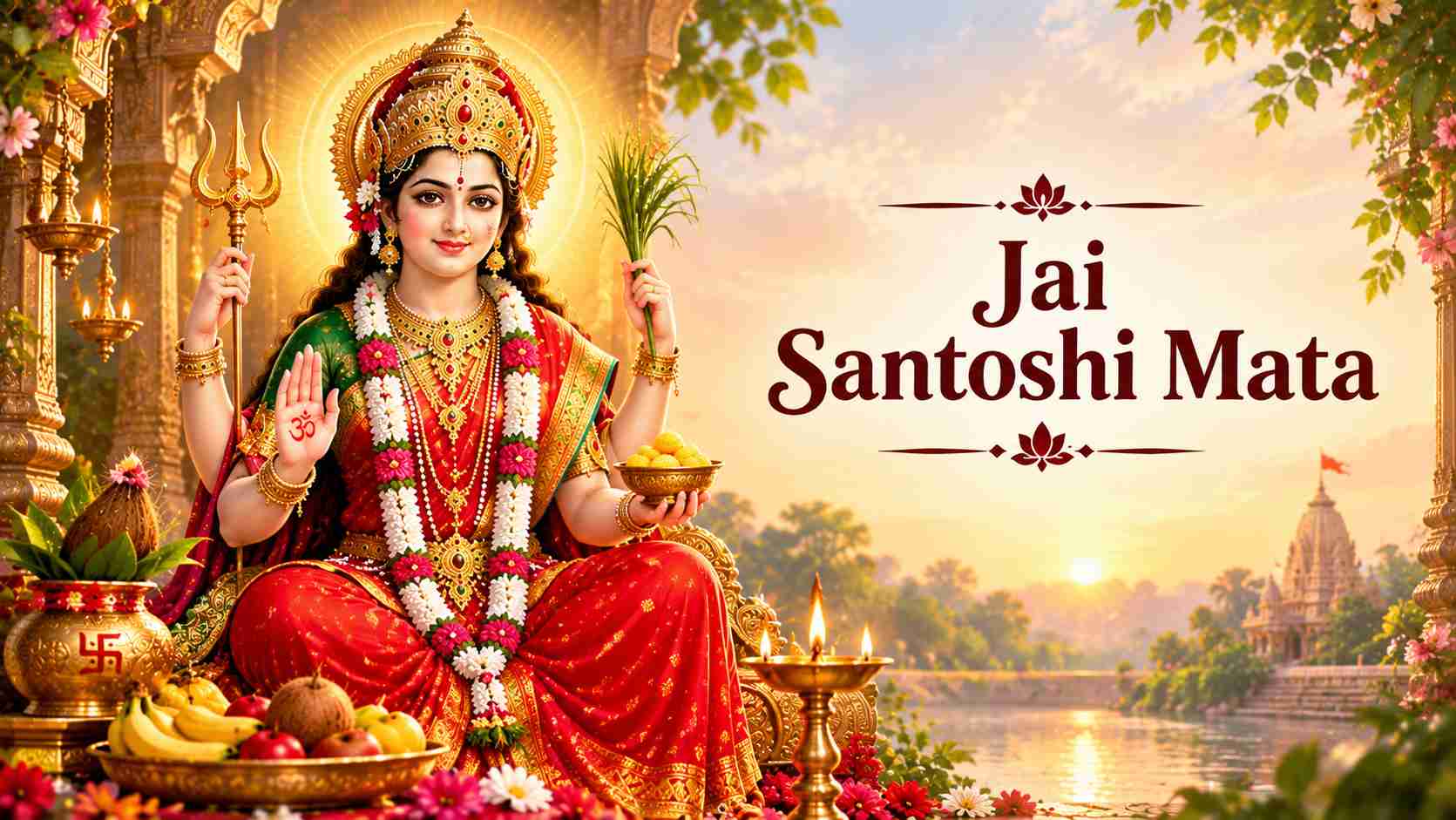
Jai Santoshi Mata is a widely cherished prayer dedicated to Mata Santoshi, revered as the goddess of contentment, peace, and domestic joy. Sung at the end of Friday fasting stories (vrat katha), it inspires gratitude, patience, and harmonious family life.
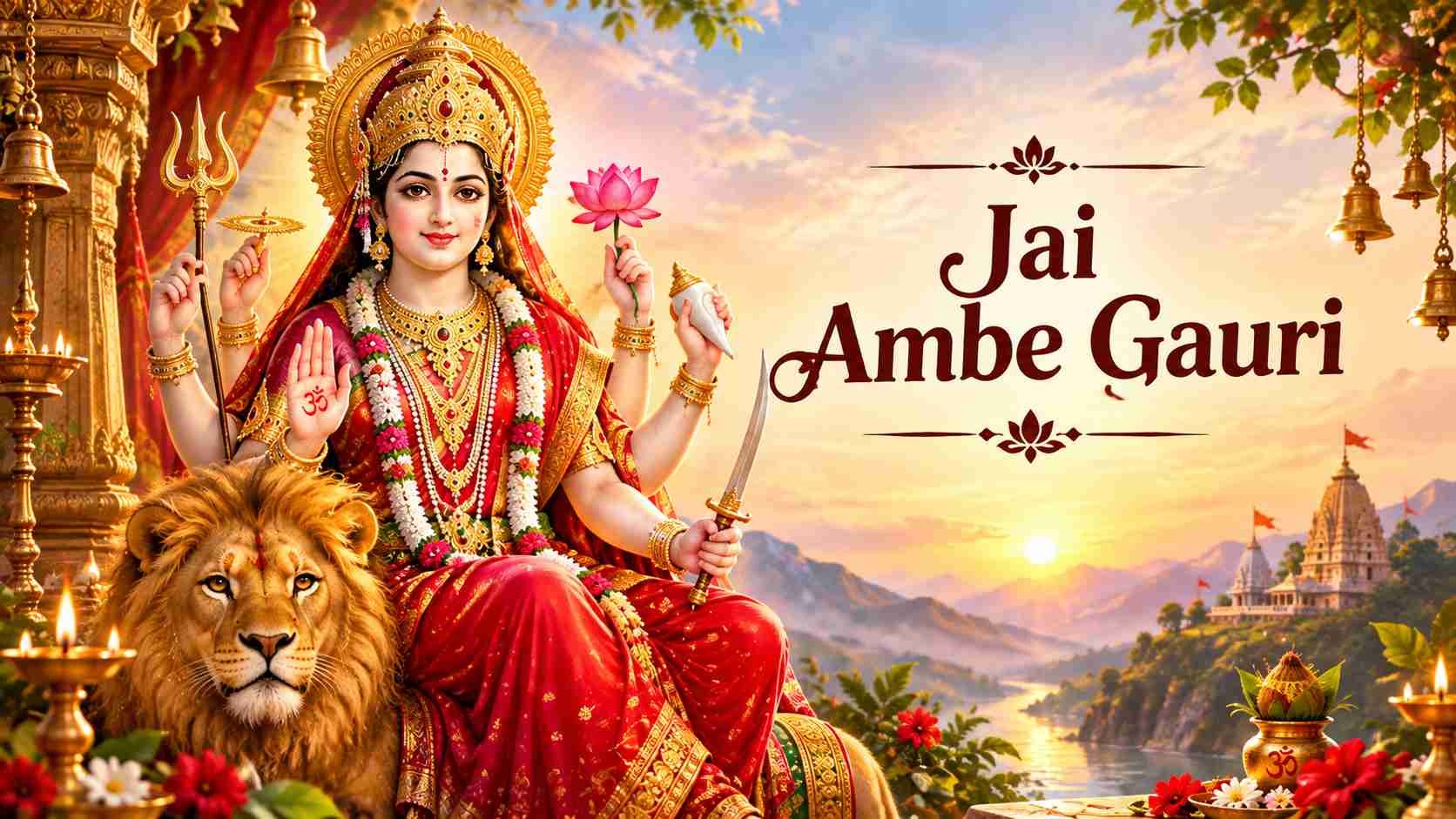
Jai Ambe Gauri is the quintessential devotional hymn celebrating Goddess Durga as the primordial feminine energy (Shakti). Commonly recited during Navratri celebrations, Friday fasts, and home evening rituals, it asks for courage, vitality, and protection from life's obstacles.

Om Jai Shiv Omkara is a foundational Shaivite hymn honoring Lord Shiva as the cosmic reality identified with the sacred sound 'Om'. It celebrates the harmony of Brahma, Vishnu, and Shiva within one supreme consciousness, granting mental clarity and liberation from negative thoughts.
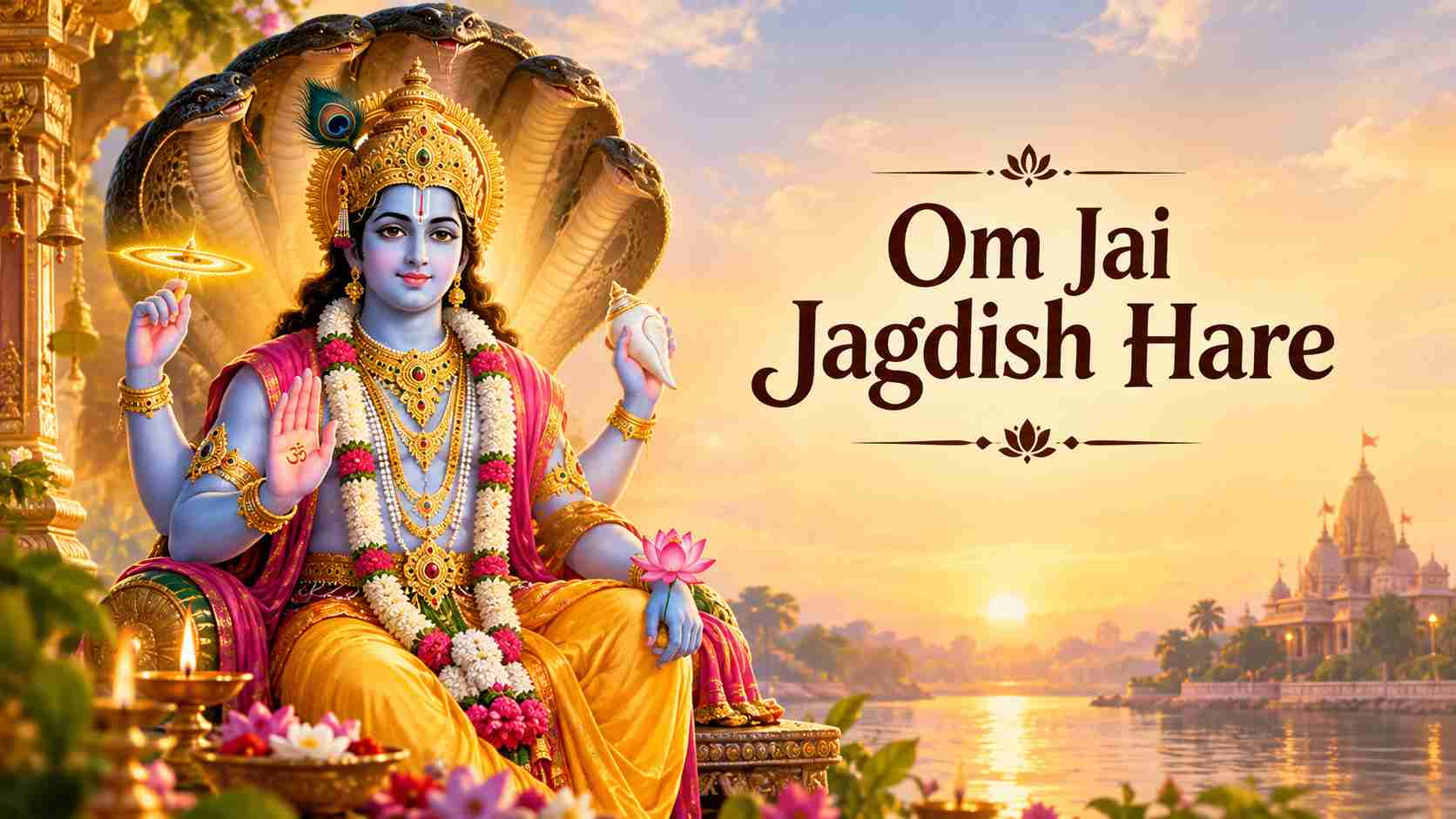
Om Jai Jagdish Hare is a universal Hindu prayer dedicated to Lord Vishnu, the preserver of the cosmos. Recited daily during evening prayers and auspicious ceremonies like Satyanarayan Puja, this hymn invokes divine grace, dispels domestic hardship, and promotes inner peace.
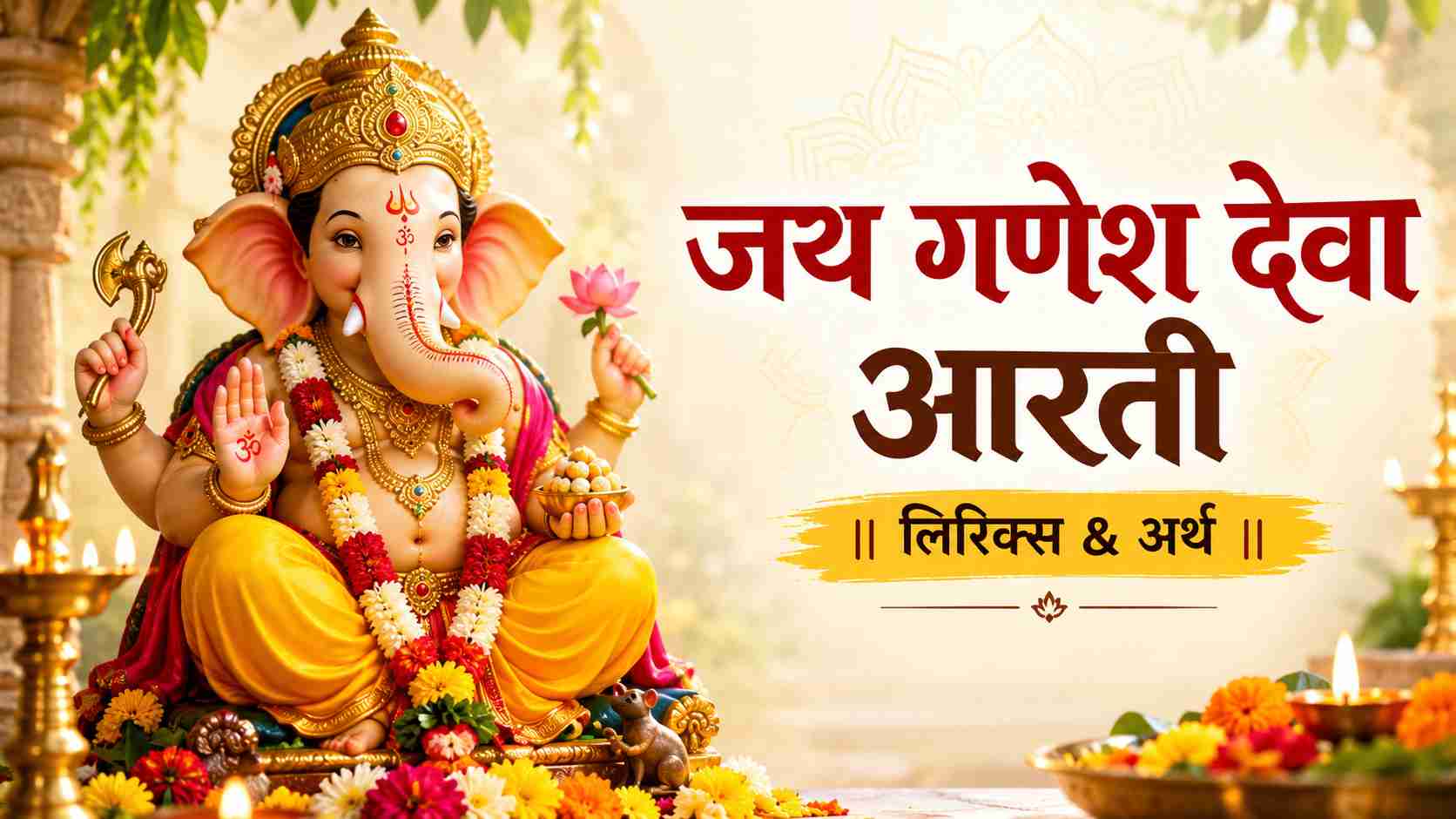
The Jai Ganesh Deva Aarti is a powerful and widely recited prayer dedicated to Lord Ganesha, the remover of obstacles.
Chanting this beautiful hymn with devotion is believed to bring peace, wisdom, prosperity, and success to the devotee's life. It is commonly sung during morning and evening worship, on Wednesdays, during Ganesh Chaturthi, and before beginning auspicious work.
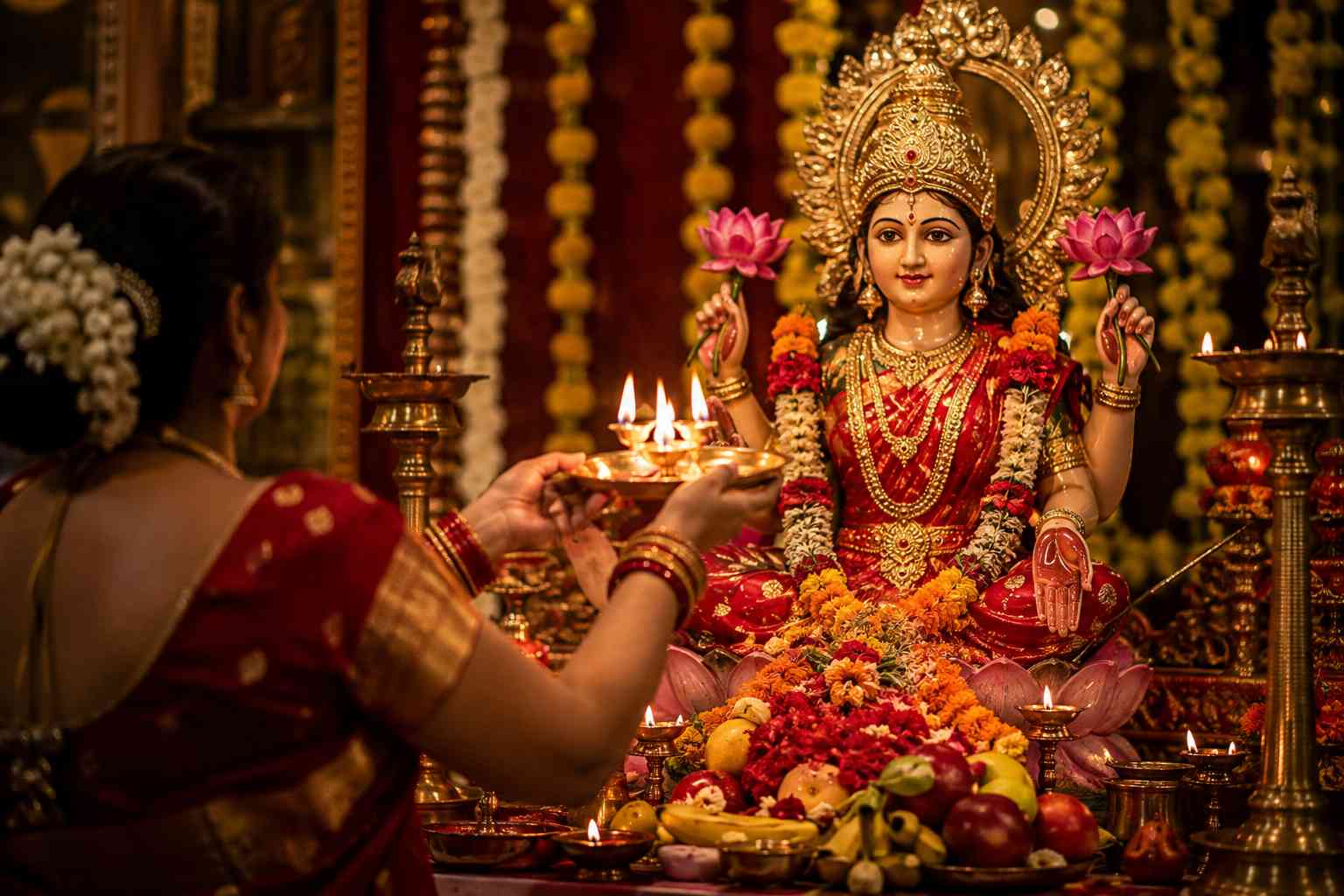
Laxmi Ji Ki Aarti, also famous as 'Om Jai Lakshmi Mata', is a powerful Hindu devotional prayer dedicated to Goddess Lakshmi, the deity of wealth, prosperity, and fortune. Singing this aarti daily during your evening puja, especially on Fridays, Dhanteras, and Diwali, brings peace, financial abundance, and positive energy to the household.
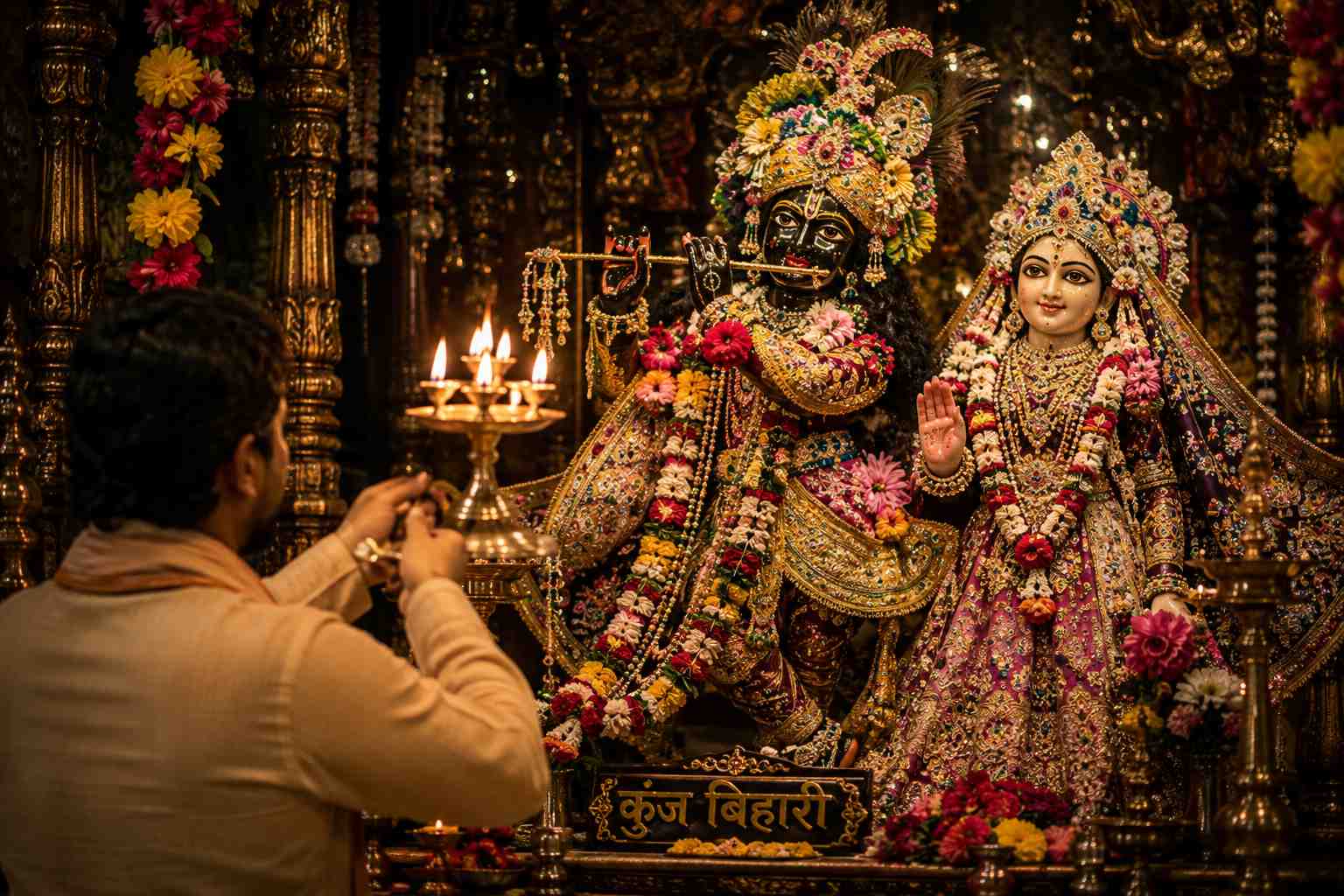
Aarti Kunj Bihari Ki is one of the most melodious and popular Hindu aartis dedicated to Lord Krishna. Singing this beautiful prayer describing the divine form of Shri Krishna—adorned with a peacock feather, playing the flute in Vrindavan—brings immense peace, joy, and spiritual upliftment. It is traditionally sung during Janmashtami, evening pujas, and daily worship.
Aarti chants are the short hymns sung while a lamp is offered to the deity — in a temple hall, at a home shrine, or at dusk when the house finally quiets. This aarti chants listing is a library of those companions: aarti meaning first, then aarti lyrics when we can publish them. Open a card, read slowly, and keep one diya if fire is safe in your room. We do not own temple recordings; any video at the end of an article is a YouTube embed. Empty cards stay empty rather than invent a hymn. Confirm local temple aarti times on the temple or yatra page — Bhakti Voice never writes a clock we have not been given.
Wash your hands. Stand or sit before your ishta. Light a diya if you can. Offer the light in a slow circle and recite the aarti your family already knows — or one sincere line if memory is tired. Home aarti does not need a shikhara, a loudspeaker, or a perfect tune. These pages sit beside the lamp for householders who want aarti lyrics and aarti meaning in one place, not a performance for neighbours. Keep the sitting short enough that you will return tomorrow. After the flame is down, let the naam stay in the mouth.
No listing here is a temple notice board. Sampradayas keep their own wording; a shrine in Vrindavan may sing a line differently from a home in Pune. What you find under aarti chants is a study companion — context, a gentle introduction, and verses only when we can share them without copying a copyrighted hymn book. For a specific mandir’s aarti, follow that mandir. We do not paste full commercial lyric sheets, and we do not invent mangala aarti or sandhya aarti timings.
Yes, if the listening turns into presence. An aarti playing while you cook is a start; two minutes of standing with a lamp is fuller. When the recording ends, sit for naam jaap or open a katha. Bhakti Voice links aarti chants with daily sadhana on purpose: the hymn is not a playlist to finish, it is a door into the rest of the evening. If a card has a video, it is an embed we do not own — use it as a companion, then return to your own voice.
Let the room stay dim for a breath. If a name is left on the tongue, count it — eleven names or a mala of 108 on the jaap counter. If a story is calling, open katha. If you want a record of the evening, write one line in the bhakti diary. Evening aarti is the lamp; the leftover warmth is the practice. You can move from this aarti chants page into bhajan and kirtan, naam jaap, or daily sadhana without turning devotion into a scoreboard. Return when the next dusk arrives.