
Makar Sankranti Guide: Uttarayan Transition, Til-Gud Significance, and Khichdi Dan
Complete Makar Sankranti guide. Learn Sun's ingress into Capricorn, Uttarayan spiritual transition, Ganga Snan, Til-Gud charity, and regional festivities (Pongal, Bihu).
Vedic Rituals & Panchang Editorial Desk
Writer & Research Team
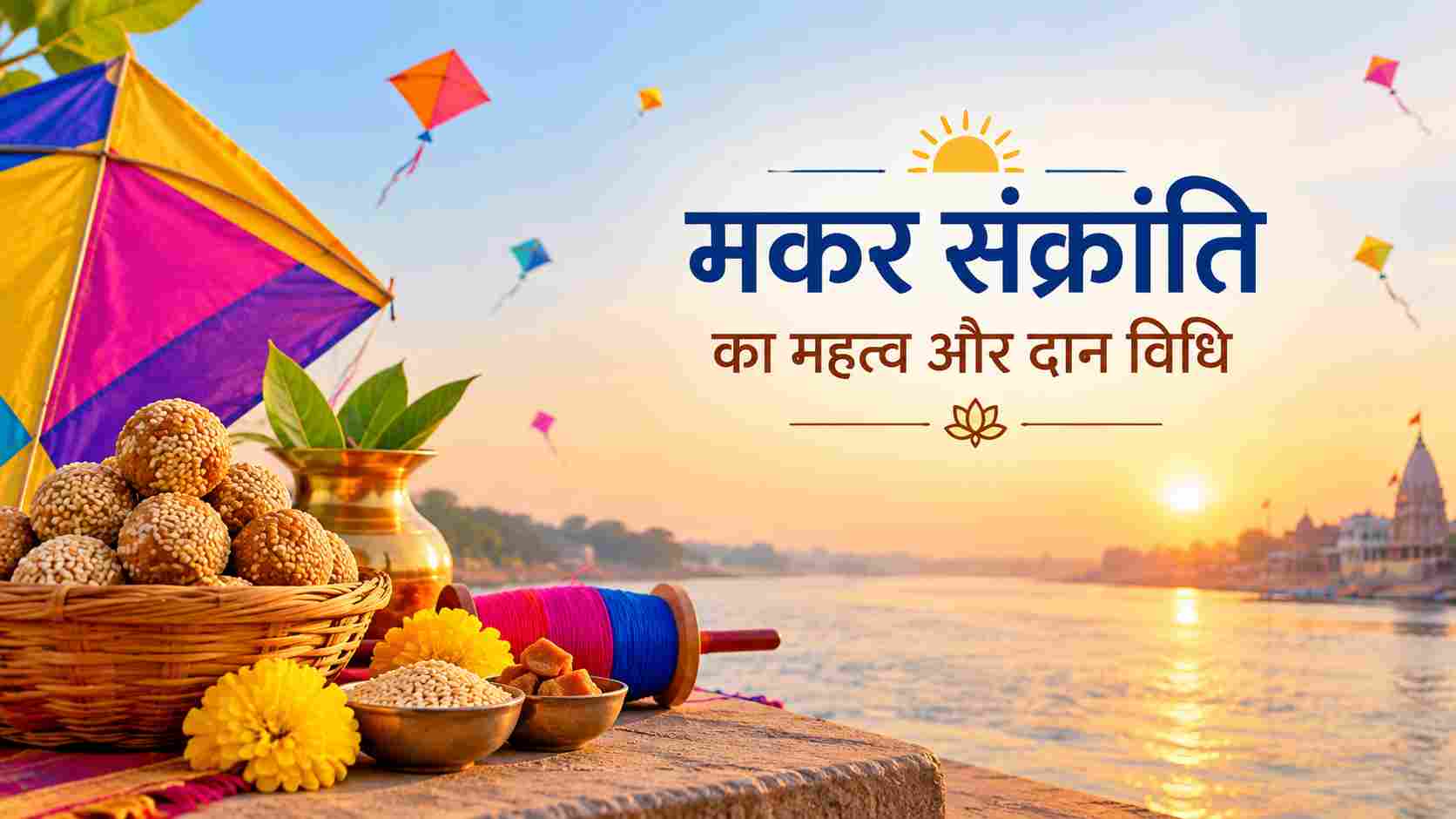
Makar Sankranti is a solar festival marking the transition of Surya Bhagavan into the zodiac sign of Makar (Capricorn) and the commencement of Uttarayan—the northward celestial journey of the sun. Celebrated on January 14 or 15 every year, it heralds longer days, the conclusion of the inauspicious Kharmas month, and the arrival of the harvest season. Across India, it is celebrated with regional flavors: Pongal in Tamil Nadu, Magh Bihu in Assam, Uttarayan kite festivals in Gujarat, and Maghi Snan in Punjab.
Sacred Heritage
Timeless Temple Tradition
Architectural Wonder
Ancient Vedic Mastery
Scriptural Origin
Puranic & Epic History
Spiritual Sadhana
Living Faith & Wisdom
Calculated upon the exact moment the Sun crosses into Nirayana Capricorn.
కథ మరియు పౌరాణిక ప్రాముఖ్యత
Why this matters today
Complete Makar Sankranti guide. Learn Sun's ingress into Capricorn, Uttarayan spiritual transition, Ganga Snan, Til-Gud charity, and regional festivities (Pongal, Bihu).
Frequently asked questions
What is the spiritual significance of Uttarayan in Hindu tradition?
Uttarayan represents the six-month daytime of the celestial Devas. In the Mahabharata, Bhishma Pitamaha lay on a bed of arrows, waiting for Uttarayan to intentionally leave his physical body.
Why are Sesame seeds (Til) and Jaggery (Gud) consumed on Sankranti?
From an Ayurvedic standpoint, sesame and jaggery provide internal warmth during winter. Spiritually, sesame represents harmony and dissolving karmic debts between Sun and Saturn.
What items are most auspicious to donate on Makar Sankranti?
Black and white sesame seeds, pure jaggery, raw rice-urad dal khichdi, warm woolen blankets, brass utensils, and seasonal fruits to the needy.