
పండుగలు & వ్రతాలు

ఈరోజు తిథి కోసం చూడండి ఈరోజు తిథి & పంచాంగం.
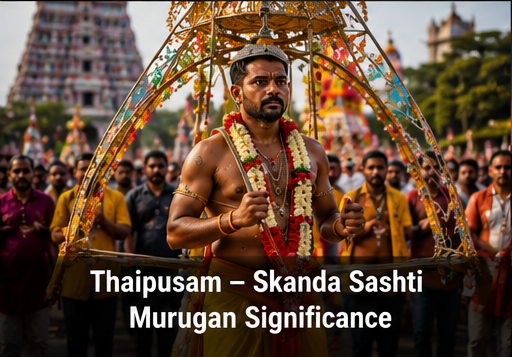
Thaipusam & Skanda Sashti: Significance, Kavadi Attam & Vel Worship
Thaipusam is a major devotional Hindu festival celebrated by Tamil communities worldwide in Tamil Nadu, Kerala, Malaysia (Batu Caves), and Singapore during the Thai month on the Purnima day coinciding with Pusam (Pushya) Nakshatra. The festival commemorates the auspicious moment when Goddess Parvati presented the invincible golden spear—the divine 'Vel' (symbolizing divine knowledge and discriminative wisdom)—to Her son, Lord Murugan (Kartikeya), enabling Him to annihilate the demon Soorapadman and liberate celestial beings.
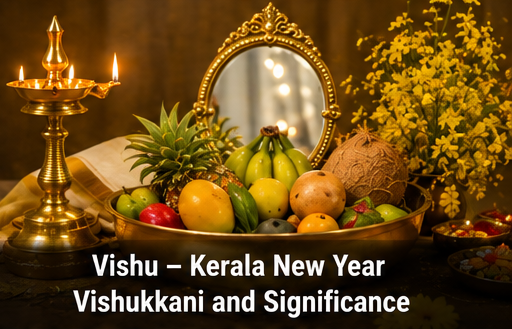
Vishu: Kerala New Year, Vishukkani Setup, Kaineettam & Traditions
Vishu is the traditional astronomical New Year festival of Kerala, Tulu Nadu (Karnataka), and adjoining regions, marking the astronomical ingress of the Sun into the first zodiac sign Mesha (Aries) on Meda Sankranti. Falling around April 14 or 15, Vishu signifies cosmic equilibrium—where day and night are of equal duration. The cornerstone of Vishu is 'Vishukkani'—the practice of viewing an auspicious arrangement of golden items, grains, fruits, and Lord Krishna's idol as the very first sight upon waking at dawn, ensuring a prosperous and blessed year.
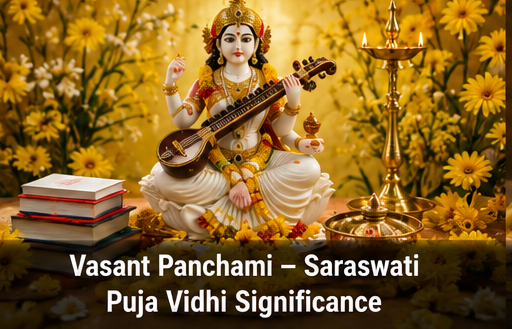
Vasant Panchami & Saraswati Puja: Significance, Vidhi & Mantras
Vasant Panchami, also called Saraswati Puja or Shri Panchami, is celebrated on the Shukla Paksha Panchami of the Magha month. It heralds the formal arrival of Vasant Ritu (Spring—the king of all seasons) and honors Goddess Saraswati, the divine embodiment of supreme knowledge, fine arts, music, wisdom, and speech. Devotees and students wear yellow garments (representing the vibrant mustard blossoms and intellectual illumination), place books, pens, and musical instruments before the Mother Goddess, and initiate young children into the world of learning through the sacred Vidhyarambham ceremony.
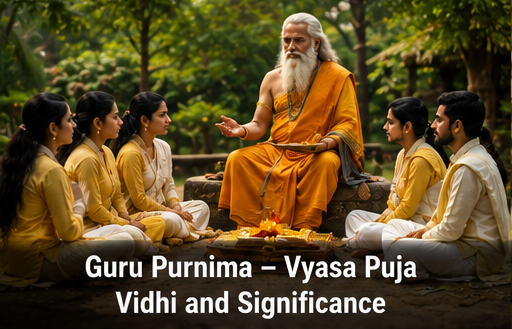
Guru Purnima (Vyasa Purnima): Significance, Puja Vidhi & Mentorship
Guru Purnima, historically revered as Vyasa Purnima, is observed on the full moon (Purnima) day of the sacred Ashadha month. This sublime festival is dedicated to expressing boundless gratitude to spiritual masters, teachers, and guides who dispel the darkness of ignorance (Gu = darkness; Ru = remover of darkness). The day commemorates the appearance of Sage Krishna Dvaipayana Veda Vyasa—the legendary compiler of the four Vedas, author of the 18 Puranas, the Mahabharata, and the Brahma Sutras. Disciples and spiritual seekers perform Guru Paduka Puja, take vows of self-restraint, and start the four-month monastic period known as Chaturmasya.
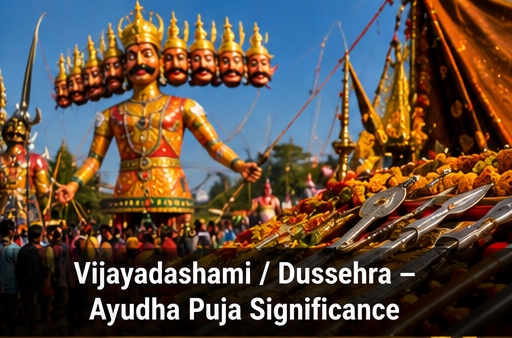
Vijayadashami & Dussehra: Significance, Ayudha Puja & Ravana Dahan
Vijayadashami, popularly known as Dussehra or Dasara, is celebrated on the tenth day (Dashami) of the Shukla Paksha in the month of Ashvin, marking the grand culmination of the nine-day Navratri festival. Translating to 'The Victory on the Tenth', this pan-Indian festival commemorates two monumental triumphs of righteousness: Lord Rama's defeat of the ten-headed demon king Ravana, and Goddess Durga's slaying of the buffalo demon Mahishasura. Across India, the day is marked by the burning of towering effigies of Ravana, vibrant Ramlila performances, Ayudha Puja (worship of tools and weapons), and Vidyarambham (initiation of learning).
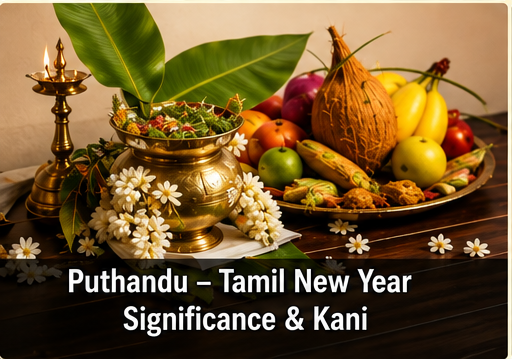
Puthandu: Tamil New Year, Chithirai Kani & Significance
Puthandu, also known as Puthuvarusham, is the traditional Tamil New Year celebrated on the first day of the Tamil month Chithirai. Generally falling on April 14, this joyous festival marks the sun's entry into the Aries (Mesha) zodiac, signifying fresh beginnings, agricultural renewal, and cosmic balance. Tamil families welcome the New Year with the ceremonial viewing of an auspicious tray (Kani) at dawn, decorating entrances with elaborate rice-flour Kolams, wearing new clothes, and tasting 'Mangai Pachadi'—a unique dish blending multiple flavors to symbolize the various experiences of life.
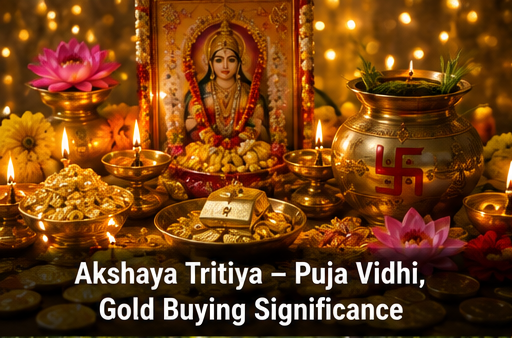
Akshaya Tritiya: Meaning, Shubh Muhurat, Gold Buying & Dan
Akshaya Tritiya, also known as Akha Teej, is highly auspicious Hindu festival celebrated on the third day (Tritiya) of the Shukla Paksha in the month of Vaishakha. The Sanskrit word 'Akshaya' means 'never diminishing' or 'eternal'. It is believed that any new venture initiated, gold purchased, or charity performed on this day brings endless prosperity, boundless spiritual merit, and enduring success. This holiest of days also marks the birth anniversary of Lord Parashurama (the sixth avatar of Lord Vishnu), the commencement of the Treta Yuga, and the day Sage Veda Vyasa began writing the Mahabharata.
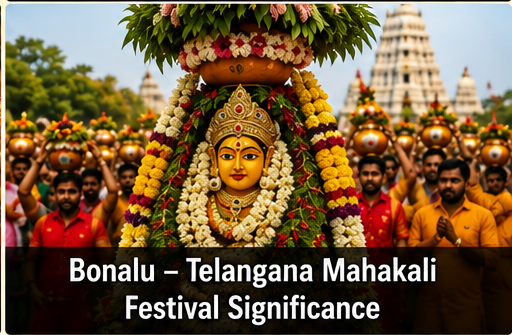
Bonalu: Telangana State Festival, Mahakali Worship & Potharaju
Bonalu is an extraordinary and vibrant Hindu festival celebrated prominently in the twin cities of Hyderabad and Secunderabad, and across Telangana, dedicated to Goddess Mahakali (and Her regional forms like Yellamma, Pochamma, and Maisamma). Celebrated during the Ashada month (July/August), the word 'Bonalu' stems from 'Bhojanam' (a meal/feast). Devotees express profound gratitude for the fulfillment of vows by carrying beautifully decorated brass or earthen pots on their heads, containing rice cooked with milk and jaggery, adorned with neem leaves, turmeric, and a lit oil lamp, offering it as a divine meal to the Mother Goddess.
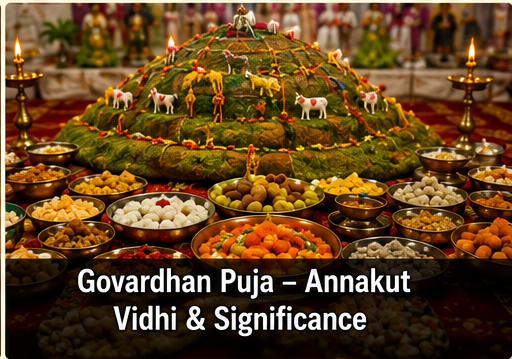
Govardhan Puja & Annakut: Significance, Cow Worship & 56 Bhog
Govardhan Puja, widely celebrated as Annakut (mountain of food), falls on the Pratipada (first day) of the Shukla Paksha in the month of Kartika, immediately following Diwali. This joyous festival commemorates the divine pastime of Lord Krishna lifting the massive Govardhan Hill on His little finger to protect the villagers of Vrindavan from the torrential wrath of Lord Indra. Emphasizing eco-spirituality and gratitude towards nature, devotees craft replicas of Govardhan Hill using cow dung, worship cows (Gau Mata), and offer a grand feast of 56 distinct vegetarian dishes (Chhappan Bhog) to Lord Krishna.
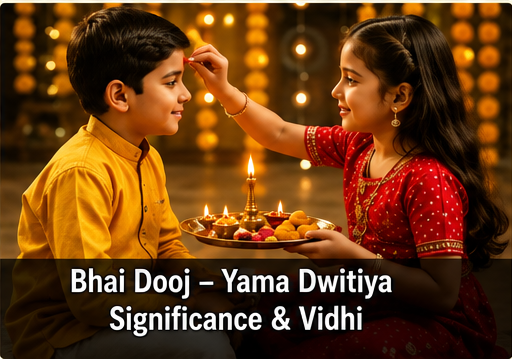
Bhai Dooj (Yama Dwitiya): Significance, Tilak Muhurat & Story
Bhai Dooj, also known as Yama Dwitiya, Bhau-Beej, or Bhai Phota, marks the grand conclusion of the five-day Diwali festival. Celebrated on the second day (Dwitiya) of the Shukla Paksha in the Kartika month, it honors the profound bond of affection and protection between a brother and sister. Sisters apply a sacred vermilion (Tilak) on their brother's forehead, perform arti, and pray for his longevity, prosperity, and protection from untimely harm. In return, brothers present gifts and vow to safeguard their sisters.
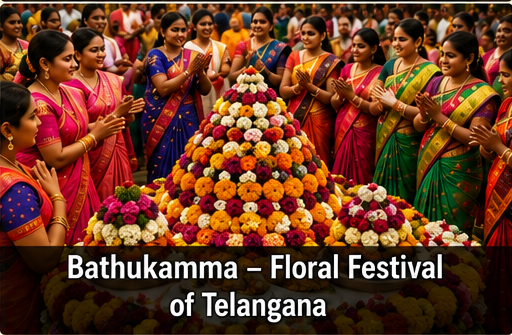
Bathukamma: Telangana Floral Festival, Significance & Songs
Bathukamma is a vibrant and unique nine-day floral festival celebrated predominantly by women in Telangana, coinciding with the Sharad Navratri (starting on Mahalaya Amavasya and ending on Durgashtami). In Telugu, 'Bathukamma' means 'Mother Goddess, come alive!' The festival is a profound celebration of nature, the life-giving properties of water, and feminine energy. Women meticulously arrange vibrant, medicinal seasonal flowers (like Gunugu, Tangedu, and Marigold) in concentric layers forming a conical mound representing Goddess Maha Gauri, dancing around it in harmonious circles while singing traditional folk songs.
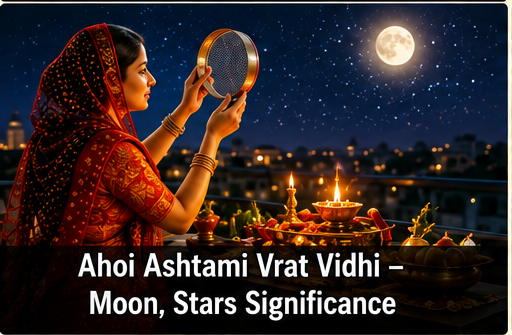
Ahoi Ashtami: Vrat Vidhi, Star Sighting & Mothers' Fasting
Ahoi Ashtami is a deeply emotional and austere fasting festival observed by mothers for the longevity, health, and prosperity of their children. Falling on the Ashtami (eighth day) of the Krishna Paksha in the Kartik month, exactly eight days before Diwali, mothers observe a strict dawn-to-dusk waterless fast (Nirjala Vrat). In the evening, the protective Goddess Ahoi (a manifestation of Goddess Parvati) and 'Syau Mata' (a porcupine mother from folklore) are worshipped using traditional wall paintings. The fast is generally broken after spotting the first stars at twilight, though some mothers wait for the late moonrise.
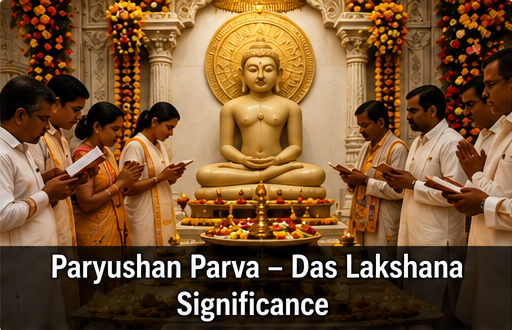
Paryushan & Das Lakshana Parva: Festival of Forgiveness & Fasting
Paryushan Parva (celebrated by Shwetambar Jains for 8 days) and Das Lakshana Parva (celebrated by Digambar Jains for 10 days) is the most profound spiritual festival in Jainism. Falling in the monsoon months of Shravana and Bhadrapada, it is not a festival of external rejoicing, but an intense period of introspection, self-purification, and shedding accumulated karmas. Devotees undertake severe fasting, practice prolonged meditation, recite the holy Kalpa Sutra, and observe silence. The festival culminates in 'Samvatsari' (or Kshamavani), the day of universal forgiveness, where Jains seek pardon from all living beings uttering the sacred phrase 'Micchami Dukkadam' (May all my wrongdoings be forgiven).
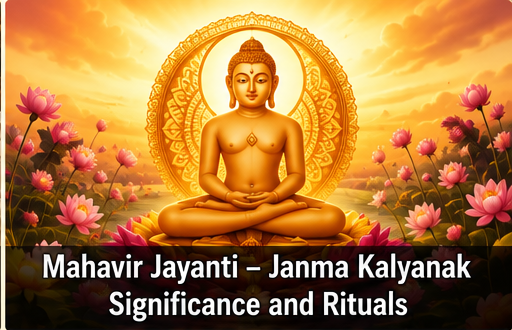
Mahavir Jayanti (Janma Kalyanak): Significance, History & Rituals
Mahavir Jayanti, traditionally known as Mahavir Janma Kalyanak, is the most auspicious festival for the Jain community worldwide. It celebrates the birth of Lord Mahavira, the 24th and final Tirthankara of the present cosmic age (Avasarpini). Observed on the 13th day of the bright half of the Chaitra month (Chaitra Shukla Trayodashi), this holy day is a vibrant reminder of Lord Mahavira's core spiritual teachings: Ahimsa (non-violence), Anekantavada (multiplicity of views), and Aparigraha (non-attachment). Jains engage in grand processions, charitable acts, temple worship, and profound spiritual introspection to honor the path of liberation He laid down.
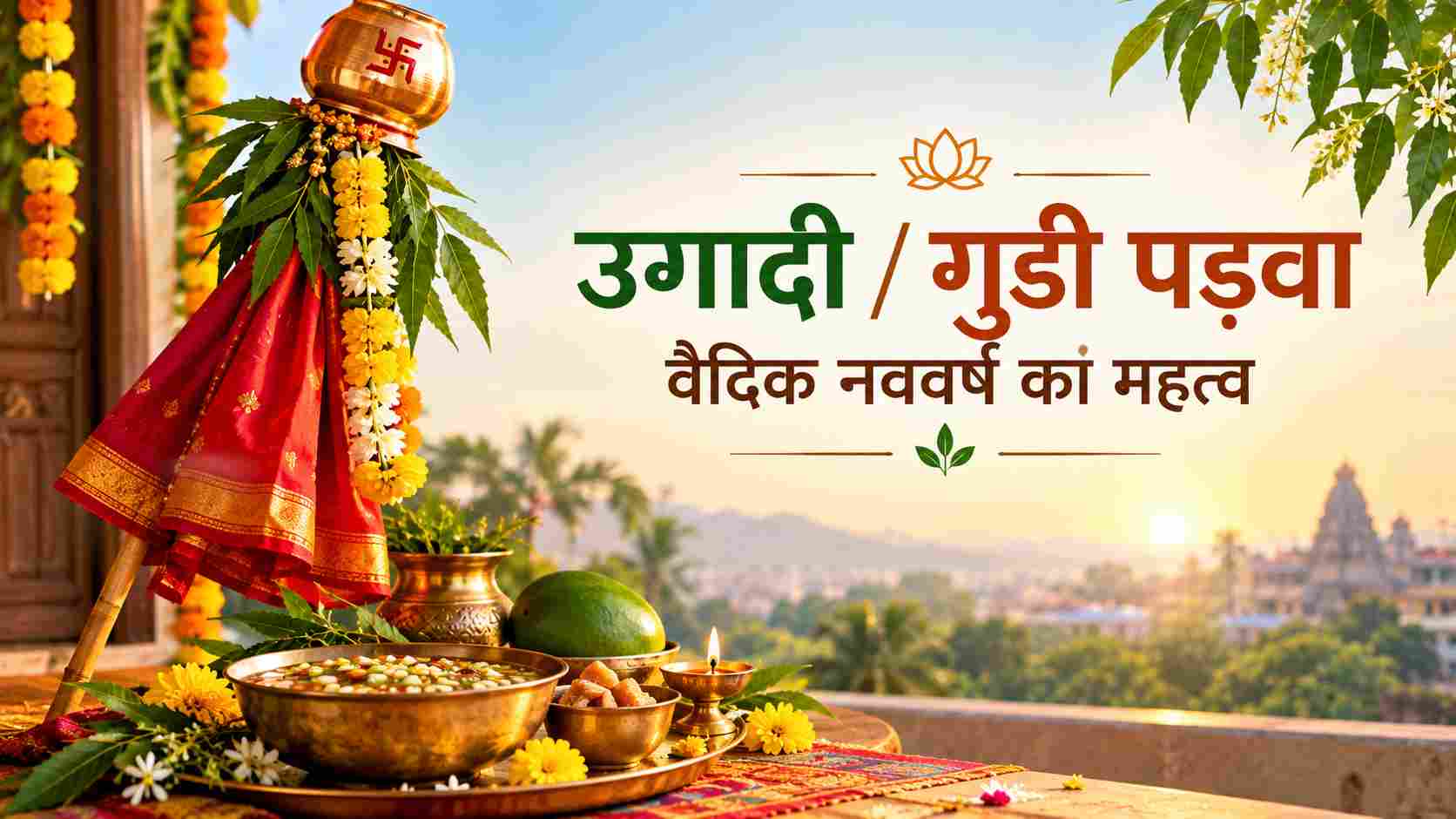
Ugadi & Gudi Padwa: Vedic New Year, Panchanga Sravanam & Rituals
Ugadi (derived from Sanskrit 'Yuga-Aadi', meaning the beginning of an era) and Gudi Padwa mark the commencement of the new Hindu Luni-Solar calendar year on Chaitra Shukla Pratipada. Celebrated as Ugadi in Karnataka, Andhra Pradesh, and Telangana, and as Gudi Padwa in Maharashtra and Goa, this sacred day commemorates the moment Lord Brahma initiated the creation of the cosmos. It is also the first day of Chaitra Navratri. Families welcome the new year with sacred oil baths, decorating doors with mango leaf torans, consuming the philosophical six-flavor dish (Ugadi Pachadi), and listening to astrologers predict the cosmic year ahead during Panchanga Sravanam.
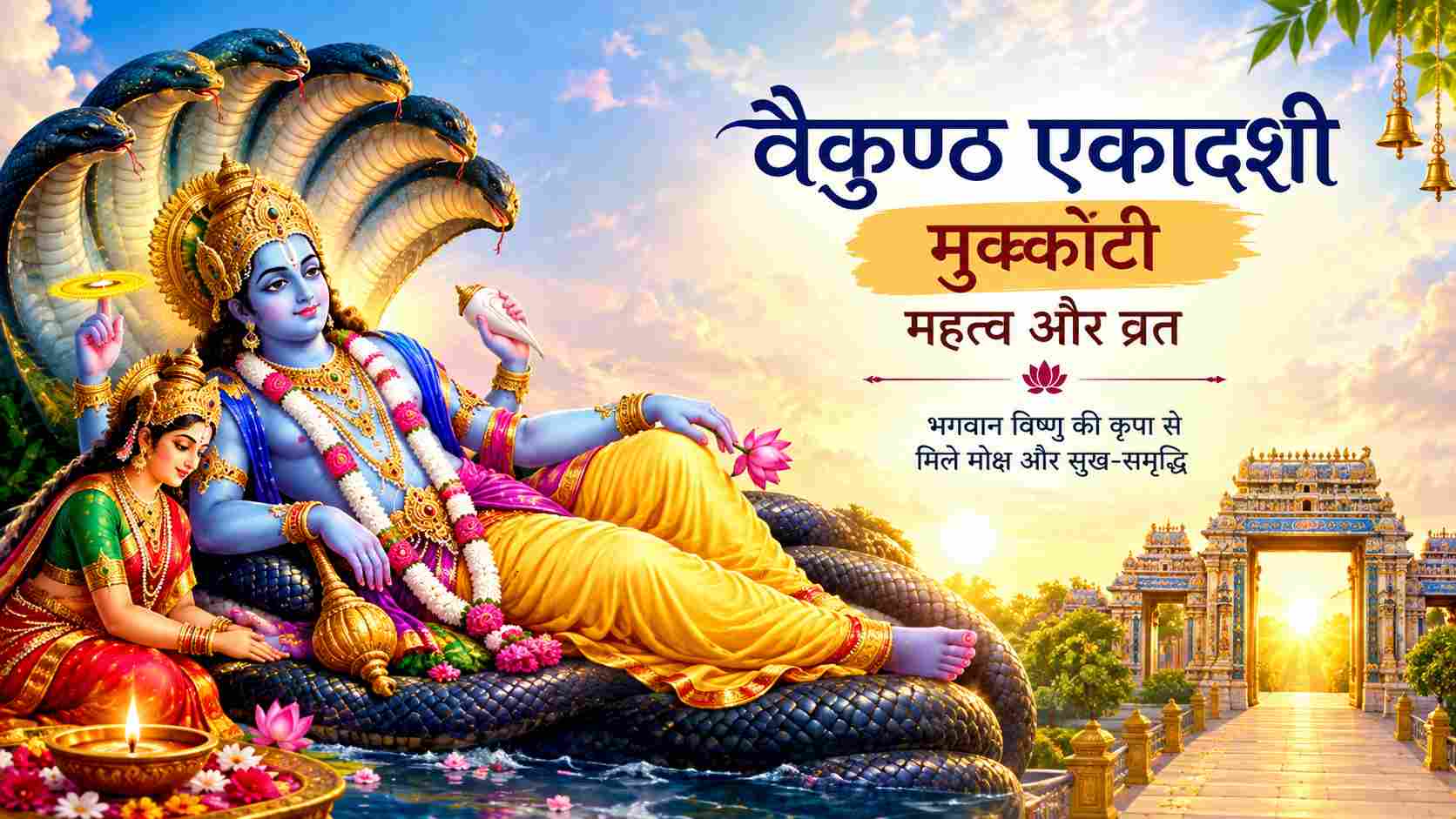
Vaikuntha Ekadashi: Significance, Uttara Dwara Darshanam & Fasting
Vaikuntha Ekadashi, known as Mukkoti Ekadashi in Telugu states and Swarga Vathil Ekadashi in Kerala, is celebrated on the Shukla Paksha Ekadashi of Margashirsha (or Dhanurmasam / Dhanu month). It is the most revered Vaishnava festival across South India, particularly at the great shrines of Tirumala Venkateswara Temple and Sri Ranganathaswamy Temple in Srirangam. It is believed that on this sacred day, the Vaikuntha Dwaram (the northern celestial gate to Lord Vishnu's abode) is unlocked, granting liberation (Moksha) to all who pass through the temple's northern portal and observe a pure fast.
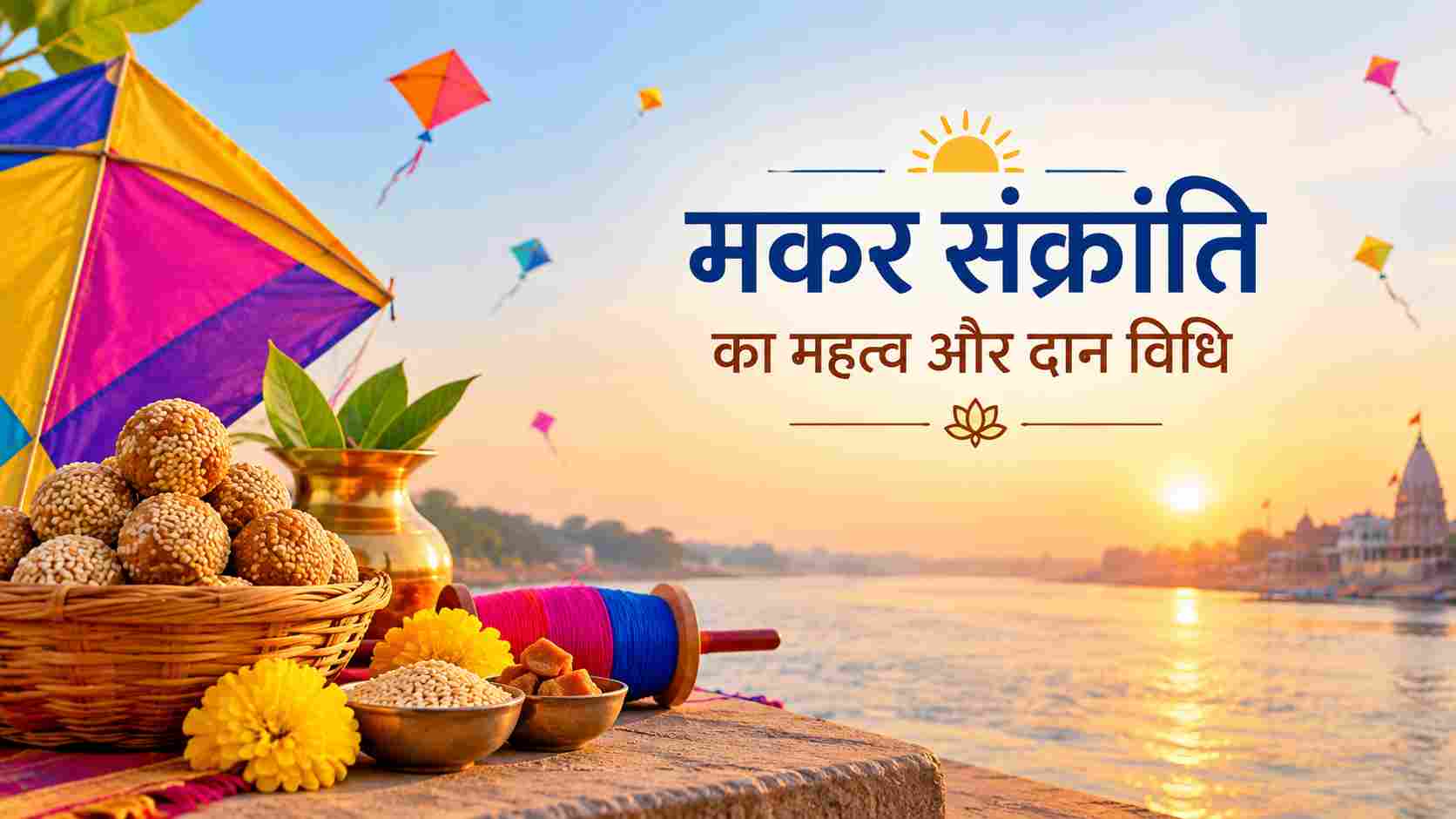
Makar Sankranti: Solar Ingress, Punya Kaal, Dan Vidhi & Meaning
Makar Sankranti is a solar festival marking the transition of Surya Bhagavan into the zodiac sign of Makar (Capricorn) and the commencement of Uttarayan—the northward celestial journey of the sun. Celebrated on January 14 or 15 every year, it heralds longer days, the conclusion of the inauspicious Kharmas month, and the arrival of the harvest season. Across India, it is celebrated with regional flavors: Pongal in Tamil Nadu, Magh Bihu in Assam, Uttarayan kite festivals in Gujarat, and Maghi Snan in Punjab.
Bhakti Voice
भक्ति वॉइस
Krishna Janmashtami: Significance, Puja Vidhi, and Spiritual Meaning
Krishna Janmashtami, also known as Gokulashtami, Krishnashtami, or Janmashtami, celebrates the auspicious appearance day of Lord Krishna, the eighth avatar of Lord Vishnu. Observed on the Ashtami tithi of the Krishna Paksha in the holy Hindu month of Bhadrapada, this sacred festival represents the triumph of divine love, righteousness (Dharma), and spiritual consciousness over ignorance and tyranny. Millions of devotees worldwide observe complete or partial fasts, decorate household altars, prepare Makhan Mishri, chant the sacred 'Hare Krishna' Maha-mantra, and celebrate the birth of Lord Krishna at the stroke of midnight during the sacred Nishita Kaal.
Bhakti Voice
भक्ति वॉइस
Maha Shivratri: Significance, Four Prahars Puja Vidhi, and Mantras
Maha Shivratri, the Great Night of Shiva, is celebrated on the Chaturdashi tithi of Krishna Paksha in the month of Phalguna (or Magha in certain calendars). Unlike other Hindu festivals characterized by exuberance, Maha Shivratri is an inward contemplative festival centered on night-long wakefulness (Jaagran), intense meditation, and continuous Rudrabhishekam. It marks the celestial cosmic dance of creation, preservation, and destruction (Tandava) as well as the divine marriage of Lord Shiva and Goddess Parvati, representing the sacred union of Purusha and Prakriti.
Bhakti Voice
भक्ति वॉइस
Diwali & Lakshmi Puja: Meaning, Vidhi, Muhurat, and Traditions
Deepavali or Diwali, the radiant 'Festival of Lights', is celebrated on the Amavasya (new moon) tithi of the Kartika month. Symbolizing the ultimate triumph of light over darkness, wisdom over ignorance, and prosperity over poverty, Diwali spans five joyous days from Dhanteras, Naraka Chaturdashi, Lakshmi Puja, Govardhan Puja to Bhai Dooj. The centerpiece of the festival is the worship of Goddess Lakshmi (the deity of wealth and spiritual purity) and Lord Ganesha (the remover of obstacles) during the auspicious Pradosh Kaal and Sthir Lagna.
Bhakti Voice
भक्ति वॉइस
Ganesh Chaturthi: Vinayaka Chavithi Puja Vidhi, Story & Rituals
Ganesh Chaturthi, also celebrated as Vinayaka Chaturthi or Ganeshotsav, commemorates the birth of Lord Ganesha, the son of Lord Shiva and Goddess Parvati. Celebrated on Shukla Paksha Chaturthi of Bhadrapada month, this vibrant 10-day festival culminates on Anant Chaturdashi. As the patron of intellect, scribe of the Mahabharata, and Vighnaharta (remover of all obstacles), Lord Ganesha is welcomed into homes and public pandals with profound devotion, traditional dhol-tasha beats, and sweet offerings of steamed Modaks.
Bhakti Voice
भक्ति वॉइस
Navratri & Durga Puja: Nine Forms, Ghatasthapana Vidhi, and Meaning
Navratri, the celestial nine-night festival, is celebrated twice predominantly in the Hindu calendar as Chaitra Navratri and Sharad Navratri (Ashvin month). It is the supreme celebration of Shakti—the primordial divine feminine energy. Devotees honor the Navadurga: Shailaputri, Brahmacharini, Chandraghanta, Kushmanda, Skandamata, Katyayani, Kalaratri, Mahagauri, and Siddhidatri. Concurrently celebrated with grand grandeur in Eastern India as Durga Puja, it commemorates Goddess Durga's triumph over the buffalo demon Mahishasura.
Bhakti Voice
भक्ति वॉइस
Holi & Holika Dahan: Significance, Puja Vidhi, and Story
Holi, the vibrant Spring Festival of Colors, is celebrated on the Purnima (full moon) tithi of the Phalguna month. The festival is observed over two consecutive days: Holika Dahan (Chhoti Holi) on the eve, followed by Rangwali Holi (Dhulandi) on the following day. Marking the farewell of winter and the rejuvenation of nature, Holi embodies divine devotion (Bhakti), the annihilation of ego and malevolence, and the timeless love of Radha-Krishna in the groves of Braj.
Bhakti Voice
भक्ति वॉइस
Ram Navami: Meaning, Birth Muhurat, Puja Vidhi & Mantras
Ram Navami celebrates the descent of Lord Rama, the seventh incarnation of Lord Vishnu and the supreme embodiment of righteousness (Maryada Purushottam). Falling on the Navami (ninth day) of the Shukla Paksha in the month of Chaitra, this auspicious festival also marks the conclusion of the nine-day Chaitra Navratri. Lord Rama took birth in Ayodhya to King Dasharatha and Queen Kausalya exactly at midday (Madhyahna Kaal) when the Sun was at its zenith and five planetary alignments were exalted.
Bhakti Voice
भक्ति वॉइस
Hanuman Jayanti: Significance, Sindoor Arpan Vidhi & Mantras
Hanuman Jayanti marks the appearance day of Lord Hanuman, the eleventh Rudra avatar of Lord Shiva and the supreme paragon of selfless devotion (Bhakti), celibacy (Brahmacharya), immense strength, and humility. Celebrated on the Chaitra Purnima (full moon) day in North India and on Margashirsha/Vaishakha in Southern states, this sacred day invokes the blessings of Sankatmochan Hanuman to destroy planetary afflictions (especially Shani Sade Sati), ward off evil energies, and develop mental fortitude.
Bhakti Voice
भक्ति वॉइस
Chhath Puja: 4-Day Rituals, Nahay Khay, Sandhya & Usha Arghya
Chhath Puja is one of the most rigorous, scientifically profound, and spiritually uplifting ancient Vedic festivals of India, dedicated to Surya Bhagavan (the Sun God) and His sister Chhathi Maiya (Shashti Devi). Spanning four days from Kartika Shukla Chaturthi to Saptami, Chhath is unique because it honors both the setting sun (Sandhya Arghya) and the rising sun (Usha Arghya). Practiced with absolute purity without the mediation of priests, devotees observe 36 hours of waterless fasting (Nirjala Vrat) standing waist-deep in water bodies.
Bhakti Voice
भक्ति वॉइस
Raksha Bandhan: Meaning, Shubh Rakhi Muhurat, and Vidhi
Raksha Bandhan, observed on the Purnima (full moon) tithi of the holy Shravana month, celebrates the sacred bond of unconditional love, moral obligation, and lifelong protection between brothers and sisters. The sister ties a consecrated sacred thread (Rakhi or Raksha Sutra) on her brother's right wrist, applying vermilion (Tilak) and offering sweets, while praying for his health, prosperity, and longevity. In return, the brother pledges to protect her honor and wellbeing under all circumstances.
Bhakti Voice
भक्ति वॉइस
Thai Pongal: 4-Day Harvest Festival, Surya Puja Vidhi & Significance
Thai Pongal is a four-day harvest and thanksgiving festival celebrated predominantly by Tamils and people across South India, coinciding with the Sun's transit into the Makara Rashi (Capricorn) in the holy Tamil month of Thai. Dedicated to Surya Bhagavan (the Sun God) and Mother Nature, Pongal expresses gratitude for the abundant winter paddy harvest. The central ceremony involves boiling freshly harvested rice with new milk and jaggery in decorated earthen pots under the open sun until it overflows, accompanied by joyous shouts of 'Pongalo Pongal!' symbolizing overflowing prosperity and auspiciousness.
Bhakti Voice
भक्ति वॉइस
Onam & Thiruonam: Significance, Pookkalam, Sadhya & Vamana Avatar
Onam is the grandest harvest, cultural, and spiritual festival of Kerala, celebrated in the Malayalam month of Chingam during the sacred conjunction of Shukla Paksha and the asterism Thiruvonam (Shravana Nakshatra). Lasting ten days starting from Atham, Onam commemorates the annual homecoming of the benevolent Asura King Mahabali (Maveli) and celebrates the fifth incarnation of Lord Vishnu as Vamana Avatar (Onathappan). The festival unites all communities through breathtaking floral carpets (Pookkalam), traditional snake boat races (Vallamkali), Kathakali dances, and the lavish vegetarian feast known as Onam Sadhya served on fresh plantain leaves.
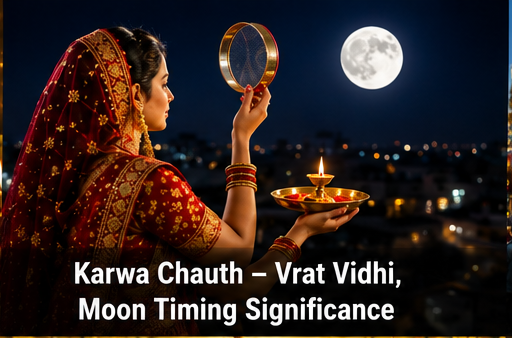
Karwa Chauth: Vrat Vidhi, Moon Timings, Katha & Significance
Karwa Chauth is an austere and deeply revered fast observed by married Hindu women for the longevity, prosperity, and well-being of their husbands. Celebrated on the Chaturthi (fourth day) of the Krishna Paksha in the month of Kartika, women observe a strict dawn-to-dusk 'Nirjala' fast (abstaining from food and water). The day commences before sunrise with the consumption of 'Sargi' (a pre-dawn meal gifted by the mother-in-law). The fast concludes only after offering Arghya (holy water) to the Moon God through a sieve and viewing the husband's face.
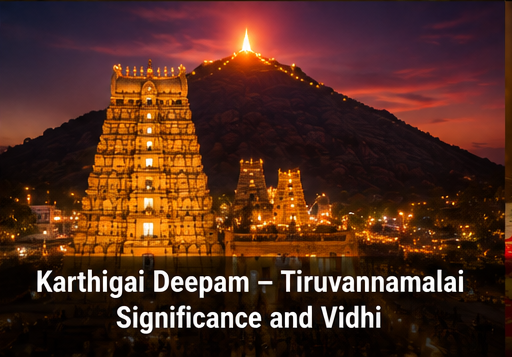
Karthigai Deepam: Tiruvannamalai Maha Deepam, Story & Rituals
Karthigai Deepam, often described as the South Indian 'Festival of Endless Lights', is celebrated during the Tamil month of Karthigai when the full moon coincides with the auspicious Krittika Nakshatra (Pleiades). Deeply rooted in Shaiva and Murugan traditions across Tamil Nadu and Kerala, the festival honors Lord Shiva manifesting as the infinite cosmic pillar of fire (Annamalaiyar / Arunachala). The crowning event takes place atop the sacred 2,668-foot Arunachala hill in Tiruvannamalai, where a gigantic cauldron filled with tons of pure ghee and camphor is lit as the 'Maha Deepam', visible for miles around.
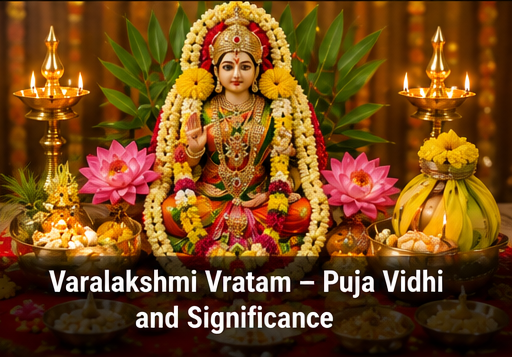
Varalakshmi Vratam: Puja Vidhi, Kalash Sthapana & Fasting Rules
Varalakshmi Vratam is a sacred festival dedicated to Goddess Varalakshmi (the boon-granting form of Goddess Mahalakshmi), observed by married and unmarried women across Andhra Pradesh, Telangana, Karnataka, and Tamil Nadu. Observed on the Friday preceding the Purnima (full moon) in the holy month of Shravana, this powerful fast is believed to be equivalent to worshipping all eight forms of Goddess Lakshmi (Ashta Lakshmi)—bestowing longevity for the husband, healthy progeny, peace, and uninterrupted wealth upon the family.
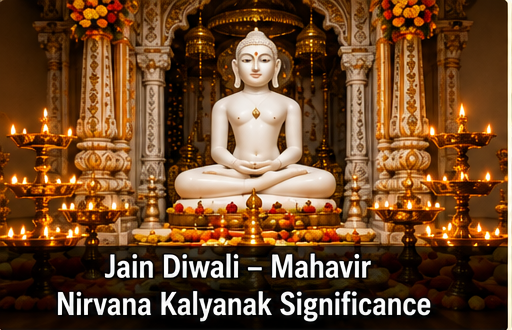
Jain Diwali: Mahavir Nirvana Kalyanak & Gautam Swami Keval Gyan
While most of India celebrates Diwali as Lord Rama's return to Ayodhya, the Jain community observes Diwali for a profoundly different spiritual reason. Jain Diwali commemorates the 'Nirvana Kalyanak'—the exact moment Lord Mahavira, the 24th Tirthankara, attained Moksha (complete liberation from the cycle of birth and death) at Pavapuri in 527 BCE. Occurring on the amavasya (new moon) of the Kartika month, Jains celebrate this day not with firecrackers (which violate the vow of Ahimsa), but by illuminating temples and homes with diyas (earthen lamps). These lamps symbolize the light of spiritual knowledge replacing the physical light of the departed Tirthankara.