
Mahavir Jayanti Guide: Life of Lord Mahavira, Ahimsa & Jain Traditions
Explore the complete guide to Mahavir Jayanti (Janma Kalyanak). Learn about the 24th Tirthankara, principles of Ahimsa, Queen Trishala's 14 dreams, and Jain rituals.
Vedic Rituals & Panchang Editorial Desk
Writer & Research Team
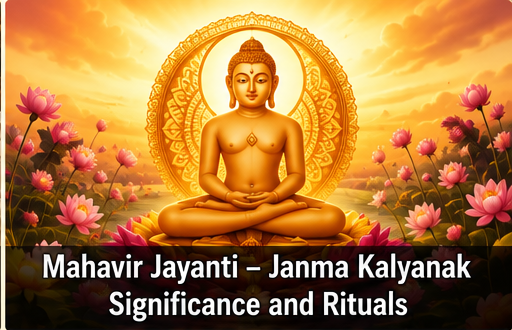
Mahavir Jayanti, traditionally known as Mahavir Janma Kalyanak, is the most auspicious festival for the Jain community worldwide. It celebrates the birth of Lord Mahavira, the 24th and final Tirthankara of the present cosmic age (Avasarpini). Observed on the 13th day of the bright half of the Chaitra month (Chaitra Shukla Trayodashi), this holy day is a vibrant reminder of Lord Mahavira's core spiritual teachings: Ahimsa (non-violence), Anekantavada (multiplicity of views), and Aparigraha (non-attachment). Jains engage in grand processions, charitable acts, temple worship, and profound spiritual introspection to honor the path of liberation He laid down.
Sacred Heritage
Timeless Temple Tradition
Architectural Wonder
Ancient Vedic Mastery
Scriptural Origin
Puranic & Epic History
Spiritual Sadhana
Living Faith & Wisdom
Celebrated on the 13th day of the bright half of the Hindu/Jain month of Chaitra.
Mahavir Jayanti (Janma Kalyanak): Significance, History & Rituals of the 24th Tirthankara
Among the most reverent and spiritually uplifting festivals celebrated worldwide, Mahavir Jayanti marks the birth anniversary of Bhagwan Mahavira, the 24th and final Tirthankara (spiritual beacon and ford-maker) of Jainism. Celebrated with supreme serenity, boundless compassion, and peaceful introspection, this sacred day is officially revered in Jain philosophy as the Janma Kalyanak—the auspicious event of a Tirthankara taking birth on earth to guide wandering souls across the ocean of worldly cycles (Samsara).
Mahavir Jayanti falls on the 13th day (Trayodashi Tithi) of the waxing moon fortnight (Shukla Paksha) in the traditional Hindu month of Chaitra (typically occurring in late March or April of the Gregorian calendar). Rather than reveling in noisy pageantry, this holy day is observed through ceremonial bathing of sacred idols, spiritual processions, self-purifying fasts, and widespread charitable actions dedicated to the welfare of all living creatures.
"Ahimsa Paramo Dharma: Non-violence is the supreme spiritual duty. Live and let live; love all living beings as your own self, for hatred only generates karmic bondage, while compassion brings eternal liberation."
Quick Facts and Overview
| Attribute | Historical and Spiritual Details |
|---|---|
| Celebration Name | Mahavir Jayanti (Mahavira Janma Kalyanak) |
| Tirthankara Position | 24th and final Tirthankara of the current cosmic half-cycle (Avasarpini) |
| Original Birth Name | Prince Vardhamana (meaning "the one who causes prosperity to grow") |
| Calendar Date | Chaitra Shukla Paksha Trayodashi (13th day of bright half of Chaitra) |
| Birthplace | Kundalpur / Kundagrama (near ancient Vaishali, modern-day Bihar, India) |
| Lineage & Clan | Ikshvaku dynasty, Kashyapa Gotra, Jnatrika Kshatriya clan |
| Parents | King Siddhartha and Queen Trishala (also called Priyakarini) |
| Symbol (Lanchhana) | The Lion (Simha), signifying supreme courage, fearlessness, and majesty |
Historical Origins: The Descent of Prince Vardhamana
Historians and sacred Jain scriptures place the birth of Lord Mahavira in the 6th century BCE (traditionally 599 BCE). Born into an era rife with ritualistic animal sacrifices, deep caste divides, and spiritual materialism, His arrival marked a seismic moral transformation in ancient India.
Prior to His birth, Queen Trishala experienced a succession of prophetic dreams, which signaled to King Siddhartha and royal astrologers that the child in her womb would either become a sovereign world ruler (Chakravartin) or an enlightened spiritual teacher (Tirthankara) who would liberate humanity.
The Sacred Prophetic Dreams of Mother Trishala
The scriptures describe that the mother of every prospective Tirthankara is blessed with vivid, auspicious dreams during pregnancy:
- Svetambara Tradition (14 Dreams): A majestic white elephant, a radiant white bull, a roaring lion, Goddess Sri Lakshmi seated on a lotus, a fragrant garland of flowers, the silvery full moon, the golden glowing sun, a splendid divine flag, a golden pitcher filled with pure water, a lake adorned with lotus flowers, an ocean of milk, a celestial chariot, a grand heap of glittering jewels, and a smokeless, blazing fire.
- Digambara Tradition (16 Dreams): Recognizes the 14 symbols above, with the addition of a pair of joyful leaping fish and a heavenly throne of celestial authority.
Upon His birth, the kingdom experienced an unprecedented surge in agricultural abundance, peace, and public joy. Because the kingdom's fortunes expanded continuously from the moment of His conception, the royal couple named the child Vardhamana.
The Five Auspicious Life Events (Panchakalyanaka)
In Jain theology, the lifespan of a Tirthankara is sanctified by five cosmic milestone celebrations, which gods, celestial beings, and humans honor with immense devotion:
- Garbha Kalyanak: The divine moment when the pure soul descends into the mother's womb.
- Janma Kalyanak: The birth of the Tirthankara (celebrated universally as Mahavir Jayanti). According to lore, King Indra and celestial beings transported the infant to Mount Meru to perform His first ceremonial bath (Janma Abhisheka).
- Diksha Kalyanak: The formal renunciation of royal luxuries, titles, and wealth at age 30, when Vardhamana gave away His belongings and took up the mendicant life of wandering penance.
- Kevala Jnana Kalyanak: Attaining absolute omniscience and supreme enlightenment after 12.5 years of rigorous penance and meditation beneath a Sala tree near the Rijupalika River.
- Moksha Kalyanak: Complete and final liberation from the cycle of birth and death, attained at the age of 72 at Pavapuri (Bihar), where His soul entered the abode of liberated souls (Siddhashila).
The Core Teachings: Pillars of Bhagwan Mahavira's Philosophy
Lord Mahavira did not establish a dogmatic cult; He revitalized the eternal spiritual science of the soul. His teachings rest upon revolutionary spiritual principles that remain profoundly relevant in addressing modern global conflicts, climate change, and mental unrest:
1. The Five Great Vows (Pancha Mahavratas)
- Ahimsa (Universal Non-Violence): Refraining from causing harm, injury, or distress to any living creature through thought, speech, or deed.
- Satya (Absolute Truthfulness): Speaking only that which is honest, gentle, and beneficial; rejecting falsehood, exaggeration, and deceit.
- Asteya (Non-Stealing): Never taking or coveting anything that belongs to another without explicit permission.
- Brahmacharya (Chastity / Celibacy): Living with purity of body and mind; practicing complete restraint over sensual urges.
- Aparigraha (Non-Possessiveness): Limiting material possessions, eradicating consumerist greed, and understanding that physical goods bind the soul.
2. Anekantavada (The Doctrine of Many-Sided Reality)
Mahavira taught that ultimate truth is multifaceted, and no single human perspective can grasp it entirely. Through the famous parable of the blind men and the elephant, He demonstrated that intellectual arrogance causes dogmatic strife. Anekantavada encourages intellectual humility, dialogue, and mutual understanding—making it the spiritual foundation of democracy and peace.
3. Parasparopagraho Jivanam (Interdependence of All Life)
Long before modern ecology emerged, Lord Mahavira proclaimed that all living beings—from microscopic organisms in soil and water to plants, animals, and humans—are inextricably bound together in a sacred web of mutual assistance. Damaging nature inevitably damages oneself.
Sacred Rituals and Celebrations on Mahavir Jayanti
Across Jain sanctuaries from Dilwara and Palitana to Shravanabelagola, Shikharji, and urban temples across the globe, the day unfolds through ancient devotional customs:
1. Mahamastakabhisheka (Ceremonial Cleansing of the Sacred Idol)
The dawn begins in the temple sanctum. The marble or metal image of Bhagwan Mahavira is respectfully bathed by priests and lay devotees in a solemn ritual known as Abhisheka or Prakshal. The idol is anointed with pure water, fragrant sandalwood paste, saffron, raw milk, and herbal extracts while ancient Sanskrit hymns, the Navkar Mantra, and the Bhaktamara Stotra resonate through the hall.
2. The Grand Rath Yatra (Chariot Procession)
By mid-morning, the sanctified idol of Lord Mahavira is reverently placed on a magnificent golden or silver chariot (Rath). Drawn through the city streets by devotees, the procession features:
- Traditional musical ensembles playing divine conches, cymbals, and drums.
- Young boys and girls carrying five-colored Jain flags, symbolizing the qualities of the five supreme spiritual beings (Pancha Paramesthi).
- Tableaux depicting scenes from the life of Mahavira—His renunciation, His penance, and His sermon in the divine assembly hall (Samavasarana).
- Devotees singing devotional bhajans and chanting the universal slogan: "Jiyo aur Jeene Do" (Live and Let Live).
3. Swadhyaya, Pravachan, and Meditative Assemblies
In community halls and monasteries, revered monks and nuns deliver inspiring discourses (Pravachan) on the life and moral codes of Mahavira. Devotees participate in collective meditation, silent introspection, and study of the sacred Agamas.
4. Universal Acts of Charity (Daan & Karuna)
Because non-violence is active love, the celebration is incomplete without philanthropic deeds:
- Animal Welfare (Jeeva Daya): Devotees visit animal shelters (Gaushalas) to distribute fresh fodder, sponsor veterinary treatments, and purchase caged birds from markets to release them into the open sky.
- Almsgiving: Distributing clean clothing, dry grain rations, cooked meals, and financial assistance to underprivileged families.
- Medical Aid: Organizing free blood donation drives, eye surgery camps, and medicine distributions.
Dietary Discipline and Fasting Rules on Mahavir Jayanti
To preserve spiritual focus, adherents observe strict dietary austerities throughout the day:
- Sattvic Vegetarianism: Strict adherence to Jain food laws; absolute exclusion of meat, fish, eggs, and alcohol.
- Total Avoidance of Root Vegetables (Zaminkand): Devotees refrain from eating potatoes, onions, garlic, carrots, and radishes, honoring the countless microorganisms dwelling within underground flora.
- Fasting Types: Many devotees observe complete Upvas (water only during daylight hours) or Ayambil (one meal of boiled grains without spices, salt, oil, or dairy products).
- Early Sunset Dining: All food and drink are consumed well before sunset, ensuring that no nocturnal insects are accidentally harmed during food preparation or intake.
The Timeless Relevance of Lord Mahavira in the Modern World
In an era challenged by geopolitical warfare, environmental devastation, rampant consumerism, and widespread mental anxiety, the life and message of Bhagwan Mahavira offer an indispensable roadmap for humanity's survival:
- A Solution to War: The doctrine of Ahimsa proves that genuine security can never be built on armaments or violence, but only on mutual empathy and respect for all life.
- A Solution to Ecological Crisis: The vow of Aparigraha counters unsustainable consumerism, teaching human beings to consume only what is necessary and to tread lightly upon mother earth.
- A Solution to Polarized Politics: Anekantavada encourages listening to divergent viewpoints with patience and compassion, healing the fractures in modern democratic discourse.
Frequently Asked Questions (FAQs)
1. What is the difference between Mahavir Jayanti and Mahavir Nirvana Diwas?
Mahavir Jayanti celebrates the birth (Janma Kalyanak) of Lord Mahavira in the month of Chaitra (spring). In contrast, Mahavir Nirvana Diwas commemorates His final spiritual liberation (Moksha) from the physical body, which is celebrated on the day of Diwali (Kartik Amavasya) in autumn by lighting lamps of wisdom.
2. Where are the largest celebrations of Mahavir Jayanti held?
Magnificent celebrations take place at Kundalpur and Pavapuri in Bihar, the ancient temples of Palitana and Girnar in Gujarat, the Dilwara Temples in Mount Abu (Rajasthan), Shravanabelagola in Karnataka, and Parasnath Hill (Shikharji) in Jharkhand, as well as Jain centers across the United Kingdom, the United States, Canada, and East Africa.
3. Can non-Jains visit Jain temples on Mahavir Jayanti?
Yes. Jain temples warmly welcome people of all faiths, backgrounds, and nationalities. Visitors are expected to dress modestly, remove leather items (belts, wallets, shoes) before entering the sacred sanctum, and maintain peaceful decorum.
4. What is the primary greeting exchanged on Mahavir Jayanti?
Devotees greet one another with folded hands, saying "Jai Jinendra" (meaning "Honor to the Supreme Conquerors of inner passions") or wishing a peaceful "Happy Mahavir Janma Kalyanak".
Conclusion
Mahavir Jayanti is fundamentally a celebration of hope, moral discipline, and cosmic fellowship. It reminds every individual that within their mortal frame resides an immortal soul capable of achieving boundless wisdom, peace, and spiritual victory. As the chariots traverse the roads and the temple bells chime on this sacred day, the eternal message of the 24th Tirthankara continues to echo across the millennia:
"Conquer anger by forgiveness, conquer pride by humility, conquer deceit by straight-forwardness, and conquer greed by contentment."
Why this matters today
Explore the complete guide to Mahavir Jayanti (Janma Kalyanak). Learn about the 24th Tirthankara, principles of Ahimsa, Queen Trishala's 14 dreams, and Jain rituals.
Frequently asked questions
What is the significance of Queen Trishala's dreams?
Before Lord Mahavira's birth, His mother Queen Trishala saw 14 (or 16 according to Digambara tradition) auspicious dreams, including an elephant, a lion, a full moon, and an ocean. Astrologers predicted these as signs of a Tirthankara or a universal monarch (Chakravartin) being born.
What does the name 'Mahavira' mean?
Born as Prince Vardhamana, He was given the title 'Mahavira' (the Great Hero) by celestial beings because of His immense courage, endurance during severe penance, and absolute conquest over inner passions like anger, ego, and greed.
How do Jains practice Ahimsa on Mahavir Jayanti?
Devotees strictly avoid root vegetables, perform Jivdaya (compassion to animals) by funding cow shelters (gaushalas) or releasing captive animals, and ensure that celebration activities do not harm any living micro-organisms.