
Shri Shiv Chalisa
Read about the Shri Shiv Chalisa. Discover its meaning, daily path benefits, and how chanting it brings peace, protection, and spiritual liberation.
Ayodhya Das
Writer & Research Team
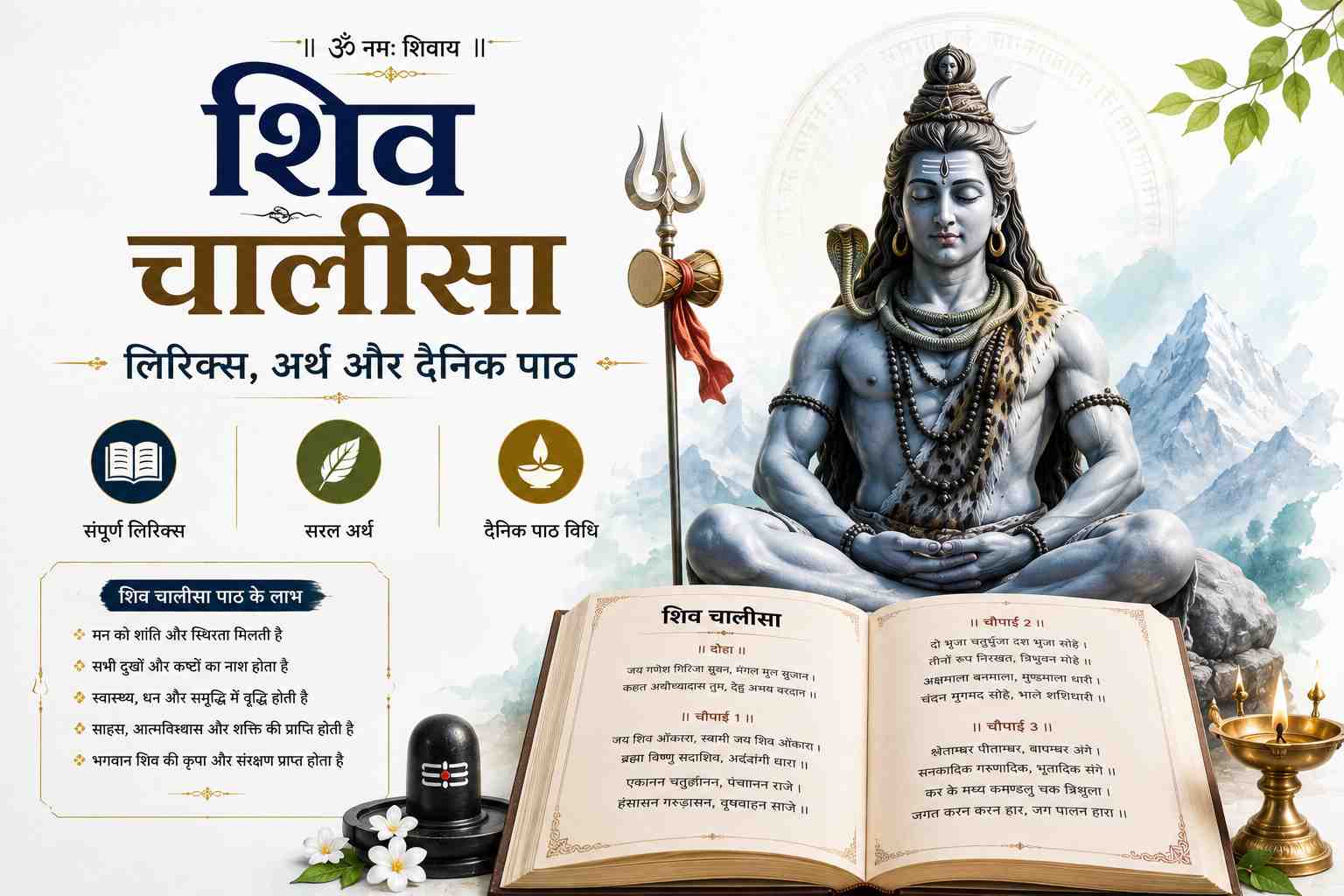
The Shiv Chalisa is a powerful 40-verse Hindu devotional hymn dedicated to Lord Shiva, traditionally attributed to Ayodhya Das. It beautifully describes Lord Shiva's divine attributes—such as the Ganges flowing from his matted locks, the crescent moon on his head, and his immense compassion. Devotees recite the Chalisa to seek his blessings for peace, protection from evil, and spiritual liberation.
Sacred Heritage
Timeless Temple Tradition
Architectural Wonder
Ancient Vedic Mastery
Scriptural Origin
Puranic & Epic History
Spiritual Sadhana
Living Faith & Wisdom
Why this matters today
Read about the Shri Shiv Chalisa. Discover its meaning, daily path benefits, and how chanting it brings peace, protection, and spiritual liberation.
Frequently asked questions
What is the best time to read Shiv Chalisa?
The most auspicious time to recite the Shiv Chalisa is early in the morning (Brahma Muhurta) after taking a bath, or in the evening during Pradosh Kaal. Mondays are considered especially highly favorable for Lord Shiva's worship.
Who wrote the Shiv Chalisa?
The Shiv Chalisa is traditionally attributed to the poet Ayodhya Das, who composed it to express deep devotion to Lord Shiva.
Can I read Shiv Chalisa at night?
Yes, reading the Shiv Chalisa at night, especially before sleeping, is believed to calm the mind, remove negative thoughts, and bring peaceful sleep.
What are the benefits of fasting while reading Shiv Chalisa?
Observing a fast (especially on Mondays) while reciting the Shiv Chalisa is said to multiply the spiritual benefits, purifying the body and mind and demonstrating deep devotion to Lord Shiva.
What are the main benefits of reciting Shiv Chalisa?
Regular chanting helps in overcoming fears, removing obstacles, achieving mental peace, curing ailments, and ultimately guiding the devotee toward spiritual liberation (Moksha).