
Spiritual Science
The Ultimate Guide to the Spiritual and Scientific Meaning of Taking Aarti
Bhakti Voice · 15 min · Updated 2026-08-19
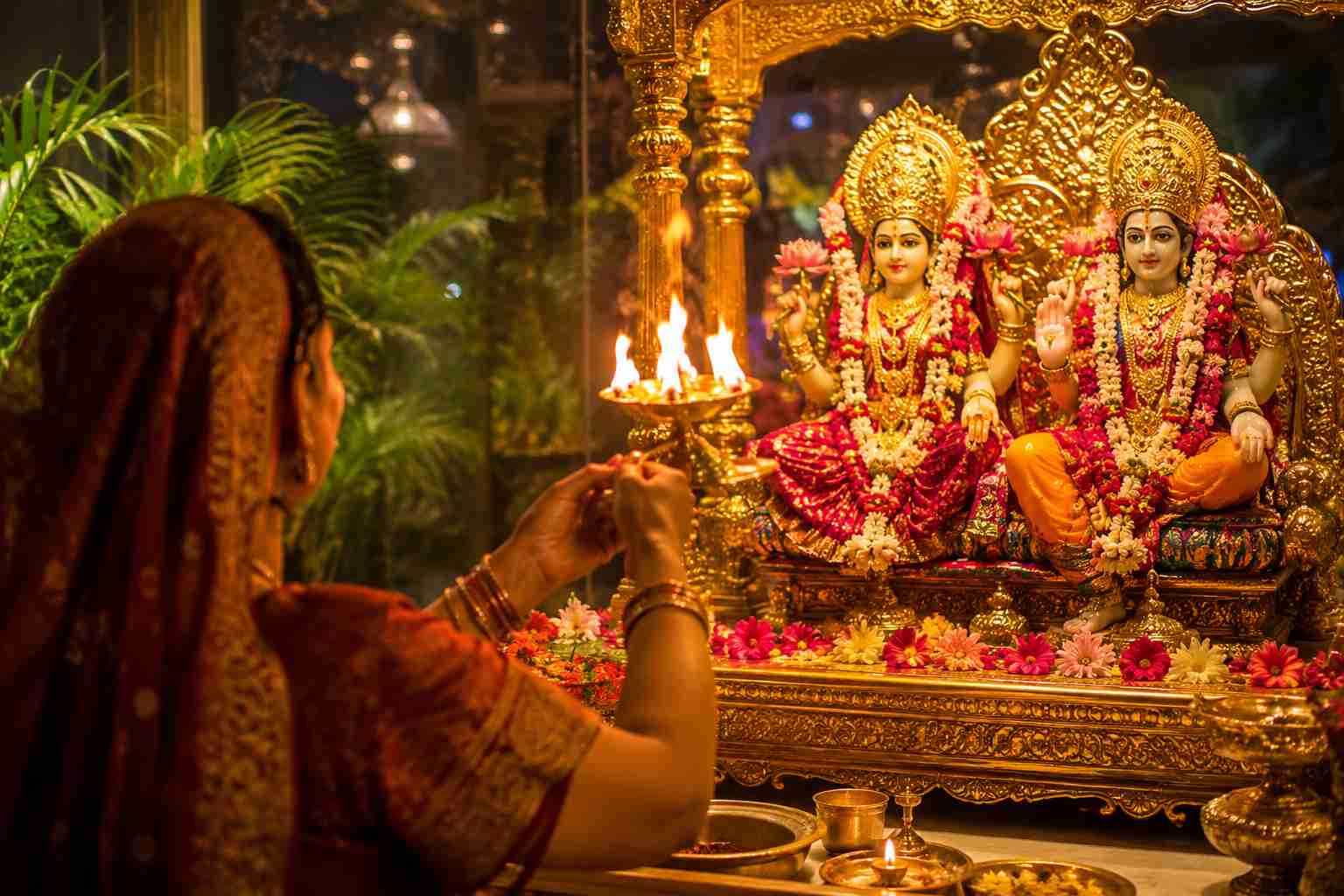
The mesmerizing sound of temple bells, the rhythmic chanting of mantras, and the fragrant smoke of incense culminate in a deeply spiritual moment—the Aarti. But the ritual doesn't end when the singing stops. It ends when the priest brings the holy flame to the devotees, and we cup our hands over it to touch our eyes and forehead. The common question, 'Aarti poori hone ke baad hum sab aarti lete hain, iska asli matlab kya hai?' (What is the true meaning of taking Aarti after it is completed?) is one that bridges the gap between mechanical habit and conscious devotion. This comprehensive guide explores the multifaceted dimensions of this ancient practice, blending Vedic wisdom with modern scientific understanding.
The Essence of Aarti: A Journey from Darkness to Light
To truly understand the act of 'taking' the Aarti, we must first understand what Aarti itself represents. The word 'Aarti' is derived from the Sanskrit word 'Aratrika', which means something that removes 'Ratri' (darkness or ignorance). It is a ritual of illumination, both physical and spiritual. When the lit lamp is waved before the deity, it is not meant to illuminate the idol for us to see, but rather to symbolize the removal of ignorance from our minds by the light of divine knowledge.
During the waving of the lamp, the flame acts as a powerful sponge. According to Vedic sciences, fire (Agni) is the only element that cannot be polluted. It purifies everything it touches. As the flame circles the deity, it is believed to absorb the deity's positive vibrations, grace, and divine aura. The flame becomes highly charged with spiritual energy. Therefore, the Aarti flame is no longer just ordinary fire; it is a physical manifestation of the deity's blessing.
When the priest brings this charged flame to the congregation, it is an invitation to partake in that divine energy. This is why we don't just look at it; we interact with it physically. Taking the Aarti is the ultimate act of receiving the grace that has just been invoked.
The Five Elements (Panchamahabhuta) and the Aarti
Hindu rituals are deeply rooted in the harmony of the five elements: Earth (Prithvi), Water (Jal), Fire (Agni), Air (Vayu), and Space (Akasha). The Aarti ceremony is a perfect synchronization of these elements. The flowers and sandalwood represent Earth; the conch shell and the water inside it represent Water; the lamp or camphor represents Fire; the incense and the waving of the yak-tail fan (chamar) represent Air; and the chanting of mantras represents Space or Ether.
By taking the Aarti flame, you are acknowledging this cosmic balance. You are connecting your microcosm (the human body, which is also made of these five elements) with the macrocosm (the universe and the divine). Cupping your hands over the fire specifically grounds the Agni element within your own physical form, igniting your internal 'Jatharagni' (digestive fire) and 'Bhutaagni' (the fire of intellect and spiritual transformation).
The Scientific Rationale: Nerve Endings and Thermal Receptors
Ancient Indian sages were profound observers of human anatomy and psychology. Rituals were designed not just for blind faith, but for physical and mental well-being. From a scientific standpoint, the act of hovering hands over a flame and touching the eyes has distinct physiological benefits.
The fingertips are densely packed with nerve endings and thermal receptors. When you place your hands over the warm flame, these receptors are immediately activated. This sudden, subtle change in temperature sends a rapid signal to the brain, specifically the somatosensory cortex. This sensory input acts as an anchor, snapping your wandering mind back into the present moment. In a state of modern distraction, this quick thermal activation promotes instant mindfulness.
Furthermore, the warmth applied to the eyelids increases blood circulation around the optic nerves. The eyes are often the most strained organs in the human body. The gentle heat provides a momentary, soothing relief, relaxing the ciliary muscles and promoting a physical sense of calm.
Chakra Activation: The Third Eye and The Crown
In Yogic philosophy, the human body contains subtle energy centers known as Chakras. When you take the Aarti, the specific points you touch on your face and head are not random. They correspond directly to powerful energy nodes.
Touching the forehead between the eyebrows targets the 'Ajna Chakra', often referred to as the Third Eye. This chakra is the center of intuition, wisdom, and spiritual insight. By placing the warmth of the divine flame on this spot, you are symbolically and energetically asking for your inner vision to be awakened. You are praying for clarity, asking the divine to help you see beyond the material illusions (Maya) of the world.
Many devotees also touch the crown of their head after touching their eyes. This targets the 'Sahasrara Chakra' (the Crown Chakra), which represents the ultimate connection to the divine cosmos. Passing the hands over the head is a gesture of total surrender, allowing the absorbed divine energy to flow through your entire central nervous system.
The Symbology of Camphor (Kapoor) vs. Ghee
The materials used for the Aarti flame carry their own deep significance. Aarti is typically performed using either a wick soaked in clarified butter (Ghee) or pure Camphor (Kapoor). Each has a specific spiritual and scientific function.
A Ghee lamp represents the ego. The wick represents the individual soul (Jiva), and the Ghee represents our karmic accumulated tendencies (Vasanas). As the flame burns, it consumes the Ghee and the wick, symbolizing the burning away of our ego and material attachments through the light of devotion. When you take a Ghee Aarti, you are praying for the eradication of your own ego.
Camphor, on the other hand, burns completely without leaving any ash or residue behind. This is the ultimate spiritual ideal: to live in this world, spread light and fragrance, and eventually merge with the divine without leaving any karmic trace. Scientifically, burning pure camphor releases vapors that are rich in antibacterial properties. Inhaling these fumes during the Aarti clears the respiratory tract, opens up the nasal passages, and has a deeply calming effect on the nervous system. By taking the camphor Aarti, you are inhaling health, purity, and profound peace.
Psychological Impact: From Humility to Gratitude
Rituals shape our psychology. The physical posture adopted while taking Aarti—bowing the head, closing the eyes, and cupping the hands—is a universal posture of receiving. It places the individual in a state of deep humility and receptivity.
In our daily lives, we are constantly in a state of 'doing' or 'fighting' (the sympathetic nervous system's fight-or-flight mode). The moment we bow to take the Aarti, our brain recognizes the posture of surrender. This triggers the parasympathetic nervous system, responsible for the 'rest and digest' state. Heart rate slows, blood pressure regulates, and a wave of gratitude washes over the mind.
Taking the Aarti is a silent psychological affirmation: 'I am open to receiving grace. I am thankful for the light in my life. I surrender my anxieties to a higher power.' This brief moment of psychological reset is invaluable for mental health and emotional resilience.
How to Approach the Aarti Mindfully: A Step-by-Step Guide
To transform this ritual from a mechanical habit into a profound spiritual experience, one must perform it with conscious intention. Here is how you can mindfully take the Aarti:
1. Wait Patiently: Allow the Aarti ceremony to fully conclude. Stand quietly and let the vibrations of the bells and mantras settle within you.
2. Approach with Reverence: When the flame is brought to you, do not rush. Approach it with the same respect you would offer to the deity itself.
3. Cup Your Hands: Gently cup both hands together, forming a receiving vessel. Hover them over the flame for a brief second to capture the physical warmth and the spiritual energy.
4. Internalize the Light: Bring your hands directly to your closed eyes. Feel the warmth on your eyelids. Then, move your fingertips to the center of your forehead (Third Eye), and finally, gently sweep your hands over the crown of your head.
5. Formulate an Intention: As you touch your eyes, silently affirm: 'May I see the good in all.' As you touch your forehead, affirm: 'May my thoughts be pure and wise.'
6. Express Gratitude: Fold your hands in a brief Namaste, silently offering a prayer of thanks.
Conclusion: Carrying the Light Within
The beautiful ritual of taking Aarti is a profound synthesis of elemental science, human psychology, and spiritual energy transfer. It answers the deep yearning of the human soul to connect with something greater than itself. When we ask, 'Aarti poori hone ke baad hum sab aarti lete hain, iska asli matlab kya hai?', the answer lies in the simple truth that we are bringing the light of the divine into the temple of our own bodies.
The ultimate goal of Aarti is not just to witness the light outside, but to kindle the light inside. By taking the Aarti, we make a silent promise to carry that divine illumination out into the world, letting our actions, words, and thoughts be guided by the warmth and purity we have just received. The next time you cup your hands over the sacred flame, remember that you are holding the very essence of cosmic grace.
Frequently asked questions
Why do we touch our eyes after taking Aarti?
Touching the eyes symbolically cleanses our spiritual vision and awakens the Ajna Chakra (the third eye), bringing the divine light into our intellect.
Why do we cup our hands over the Aarti flame?
Cupping your hands acts as a physical gesture to gather the concentrated divine energy, warmth, and positive cosmic vibrations that the flame absorbed while being offered to the deity.