
Travel Guide
Ekashm Kailash Mandir Timings and Visitor Guidelines
Heritage Explorer · 12 min · Updated 2026-08-26
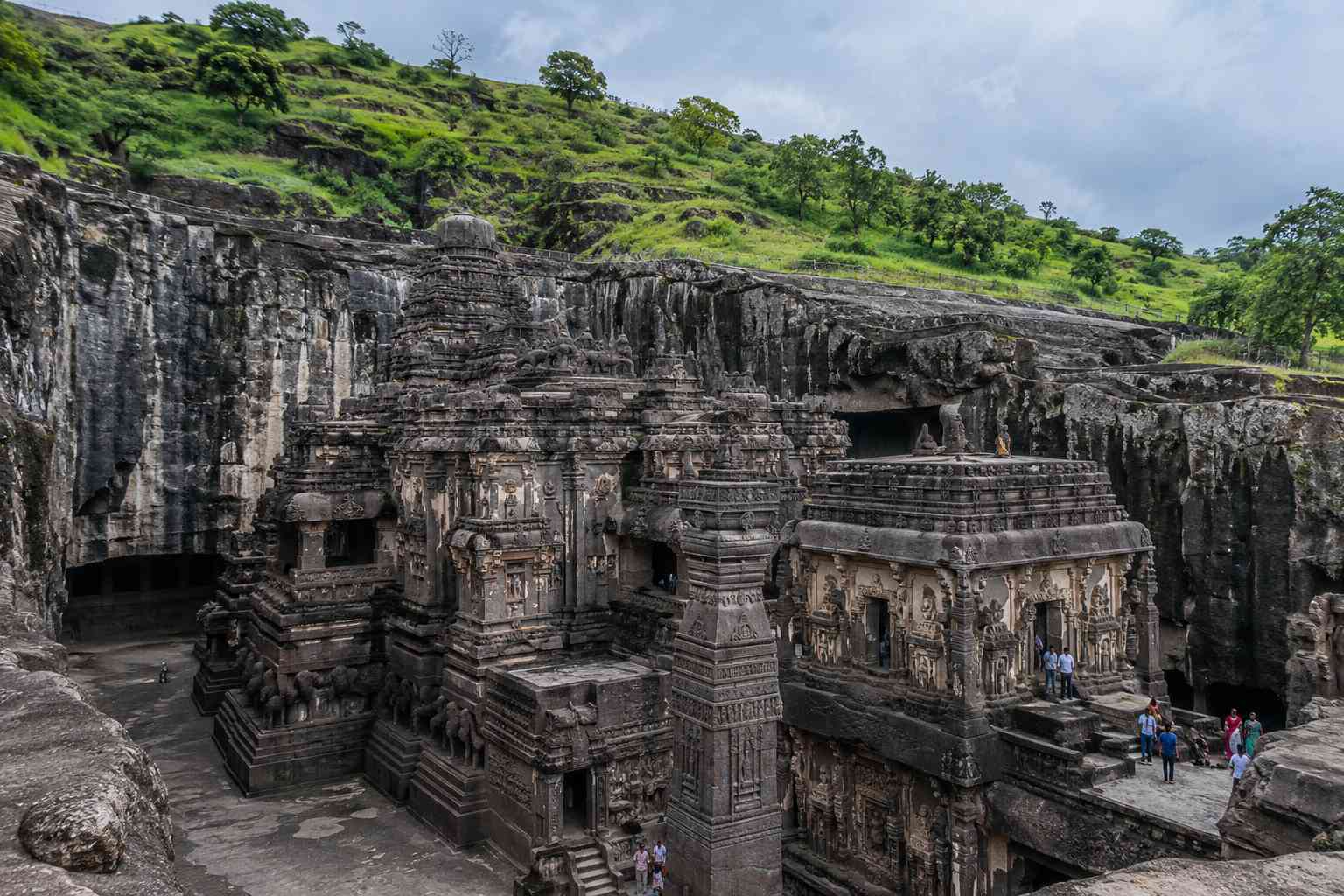
Welcome to the ultimate guide for planning your visit to the greatest monolithic structure on Earth. Before you stand in awe of the Ekashm Kailash Mandir (Ellora Cave 16), knowing the right timings, entry fees, and optimal days to visit can transform your experience from a rushed tour into a spiritual and historical awakening. Whether you are a history buff, an architecture enthusiast, or a spiritual seeker, this comprehensive guide covers every detail you need for a perfect trip.
The Golden Hours: When to Visit the Monolith
Visiting the Ekashm Kailash Mandir is a pilgrimage for both history buffs and spiritual seekers. The ASI (Archaeological Survey of India) manages the Ellora Caves complex, ensuring that the UNESCO World Heritage site is well-preserved for future generations. The standard visiting hours for the Ekashm Kailash Mandir are from 6:00 AM to 6:00 PM. However, to truly appreciate the grandeur of this architectural marvel, timing is everything. The temple gates open right at sunrise, and this is when the true magic happens.
Arriving right at 6:00 AM offers a surreal, peaceful experience that you cannot get later in the day. The cool morning air, the absolute absence of chattering crowds, and the golden hour sunlight striking the intricately carved basalt rock face create an ethereal atmosphere. During these early hours, you can actually hear the echoes of your own footsteps in the ancient corridors. Photographers, in particular, will find this time most rewarding, as the harsh midday shadows are entirely absent, allowing for perfectly illuminated shots of the intricate carvings of Lord Shiva, Ravana, and the Mahabharata epics on the temple walls.
As the day progresses, particularly between 11:00 AM and 3:00 PM, the heat in the Marathwada region of Maharashtra can become quite intense. The basalt rock absorbs the sun's heat, making the stone floors hot and the exploration exhausting. If you are unable to make it in the morning, the late afternoon (around 4:00 PM to 6:00 PM) is your second-best option. The setting sun casts long, dramatic shadows across the monolithic structure, providing a completely different but equally mesmerizing visual experience.
Important Closure Days, Ticket Information, and Booking Tips
A crucial detail that many tourists overlook to their detriment is that the entire Ellora Caves complex, including the Ekashm Kailash Mandir (Cave 16), remains strictly closed on Tuesdays. Countless travelers have made the mistake of planning a trip on a Tuesday, only to find the massive iron gates locked. Always structure your itinerary around this weekly closure day.
Entry ticket pricing is highly affordable to encourage cultural education and heritage tourism. For Indian citizens and visitors from SAARC (Afghanistan, Bangladesh, Bhutan, Maldives, Nepal, Pakistan, Sri Lanka) and BIMSTEC countries, the entry fee is typically around INR 40. However, for foreign nationals from other countries, the ticket price is INR 600. Children under the age of 15, regardless of their nationality, are granted free entry. Please note that these prices are subject to slight changes by the ASI, so checking the official portal is advised.
It is highly recommended to book your tickets online via the ASI (Archaeological Survey of India) official website or through the QR codes available near the parking area. By booking online, you can bypass the long, exhausting queues that form at the physical ticket counters, especially during weekends, Diwali, and other public holidays. Cash is still accepted at the counters, but digital payments are heavily encouraged and often have a dedicated, much faster queue.
Seasonal Best Times to Plan Your Trip
While the temple is open year-round, the season you choose dramatically impacts your physical comfort and the visual beauty of the site. The undisputed best times to visit the Ekashm Kailash Mandir are during the monsoon season (July to September) and the winter season (October to March). Each of these seasons offers a uniquely spectacular way to view the monolithic carving.
During the monsoons, the Sahyadri hills surrounding the Ellora complex turn into a vibrant, lush green paradise. The heavy rains wash the basalt rock, giving it a deep, rich charcoal hue that contrasts beautifully with the vivid green moss. Small, seasonal waterfalls cascade over the ancient cliffs, providing a breathtaking backdrop to the dark gray temple. However, be cautious as the stone steps can become quite slippery during heavy downpours.
Winter offers crisp, pleasant weather, with temperatures ranging from 12°C to 25°C. This is perfect for the extensive walking, climbing, and exploring required to see the galleries, bridges, and giant elephant sculptures of the temple without suffering from heat exhaustion. Summer (April to June) should generally be avoided unless you have no other choice. If you do visit in summer, you must be prepared to brave scorching temperatures soaring above 40°C (104°F) and should absolutely plan your visit for the very early morning.
Photography Rules and What to Carry
The Ekashm Kailash Mandir is a photographer's absolute dream, but there are strict rules enforced by the ASI that you must follow. Standard photography with mobile phones and DSLR cameras is permitted and completely free of charge. However, the use of tripods, monopods, and professional lighting equipment requires prior written permission from the ASI office in Chhatrapati Sambhajinagar. Without this permit, guards will confiscate your tripod at the entrance.
Drone photography is strictly prohibited inside and above the entire Ellora Caves complex to protect the structural integrity of the ancient site and ensure the safety of tourists. Video cameras might incur a nominal extra fee of around INR 25, though rules frequently update regarding modern mirrorless cameras that shoot both video and stills.
When packing for your day trip, less is more. Carry a comfortable backpack with at least two liters of water per person, as there are no food or water stalls inside the immediate cave premises (they are located near the main entrance). Wear comfortable, slip-resistant walking shoes, a wide-brimmed hat, and sunglasses. Since it is a temple site, dressing modestly is appreciated, though not strictly enforced as a religious dress code, since the monument is managed as an archaeological site.
Frequently asked questions
Is Ekashm Kailash Mandir open every day?
No, the temple and the entire Ellora Caves complex are strictly closed every Tuesday for maintenance and preservation work.
What is the best time of day to visit?
Early morning at 6:00 AM is the best time to visit. You avoid the massive tourist crowds, skip the afternoon heat, and experience the beautiful sunrise lighting on the monolith.
Do I need a separate ticket for Kailash Mandir?
No, the entry ticket to the Ellora Caves complex covers Cave 16 (Kailash Mandir) along with all other 33 caves in the vicinity.